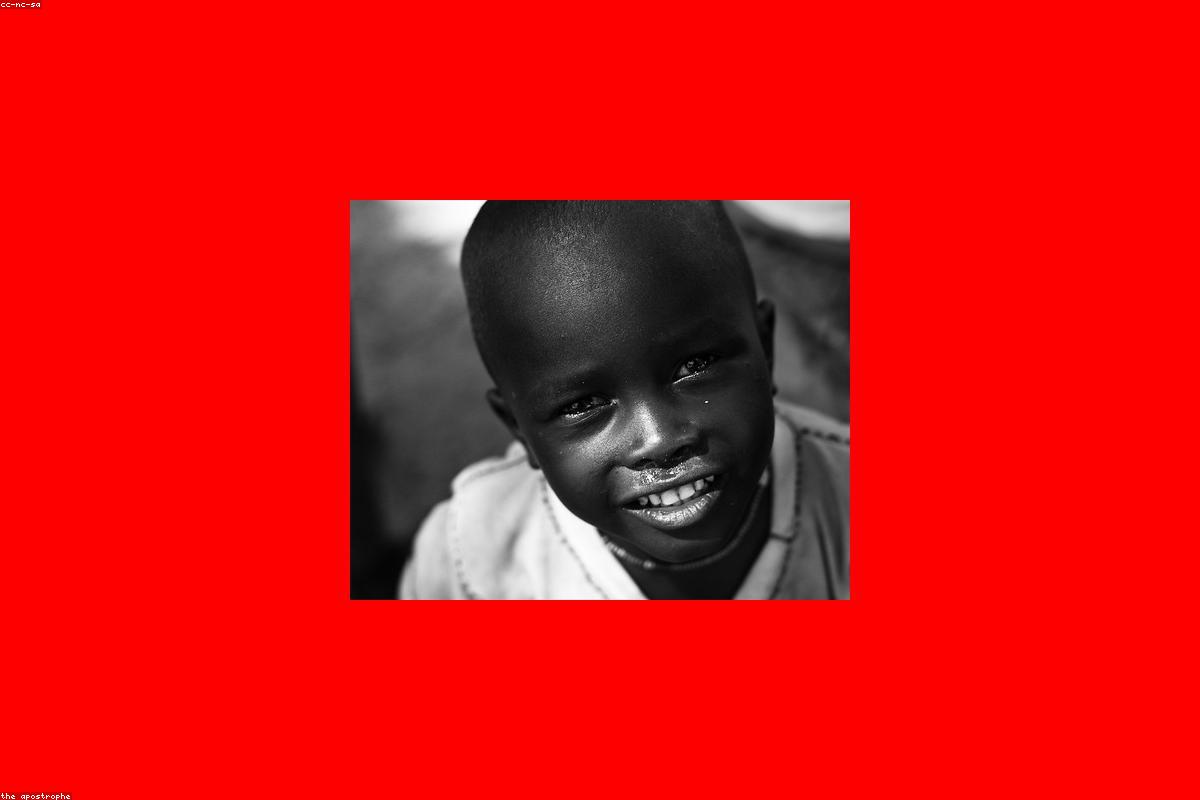
In an increasingly interconnected society, the state of global wellness is undergoing rapid and unprecedented transformations. From the unexpected consequences of climate change on infectious diseases to the quiet epidemic of lifestyle-driven illnesses, experts are asking, "What in the world is happening to our collective well-being?" Understanding these shifts is no longer just a matter of curiosity—it is a critical necessity for the future of public health.
A recent episode of the BBC's insightful program highlighted these exact complexities, shedding light on how global events are directly penetrating our daily physical and mental health. Listeners can explore the full discussion on the BBC Sounds broadcast, which serves as a stark reminder of the challenges confronting modern medicine.
The Overlap of Environment and Infectious Diseases
One of the most alarming trends in public health is the shifting geography of vector-borne illnesses. Rising global temperatures are expanding the habitats of disease-carrying insects, bringing tropical illnesses like dengue fever and malaria to regions that previously never experienced them. This ecological disruption poses a massive challenge to healthcare infrastructure worldwide.
Moreover, air pollution is no longer just an environmental concern; it is a full-blown respiratory crisis. Millions of premature deaths annually are linked to poor air quality, forcing medical professionals to advocate for systemic environmental policies as a form of preventative medicine. When we look at these statistics, the phrase 'what in the world' takes on a literal, urgent meaning.
Modern Lifestyles and the Non-Communicable Disease Epidemic
While infectious diseases are shifting boundaries, non-communicable diseases (NCDs) such as cardiovascular conditions, type 2 diabetes, and chronic respiratory ailments remain the leading cause of death globally. The culprit is often a combination of sedentary lifestyles and the global proliferation of ultra-processed foods.
The Nutrition Transition
In both developing and developed nations, traditional, nutrient-dense diets are being replaced by hyper-palatable, calorie-dense foods. This transition has led to a dual burden of malnutrition—where undernutrition and obesity co-exist within the same communities, sometimes even the same households. Addressing this requires robust international food policies and a renewed focus on nutritional education.
The Mental Health Crisis in a Hyper-Connected World
We cannot discuss global health without addressing the escalating crisis of mental well-being. Increased urbanization, digital overload, and economic instability are taking a severe toll on psychological health. Depressive disorders and anxiety are rising exponentially, particularly among younger demographics who navigate an increasingly complex digital landscape.
Global health organizations are now prioritizing mental healthcare integration into primary care settings. Recognizing mental health as a fundamental pillar of overall wellness is essential if we hope to foster resilient societies.
A Call for Global Health Cooperation
The challenges we face are too vast for any single nation to tackle in isolation. Strengthening global healthcare systems, investing in medical research, and ensuring equitable access to treatments are crucial steps forward. To stay updated on these evolving medical breakthroughs and public health policies, explore our dedicated health category for comprehensive coverage.
Ultimately, navigating the future of healthcare requires us to remain informed, adaptable, and proactive. By understanding the global forces at play, we can better prepare for the health challenges of tomorrow.