The Evolution of Student Independence in the Classroom
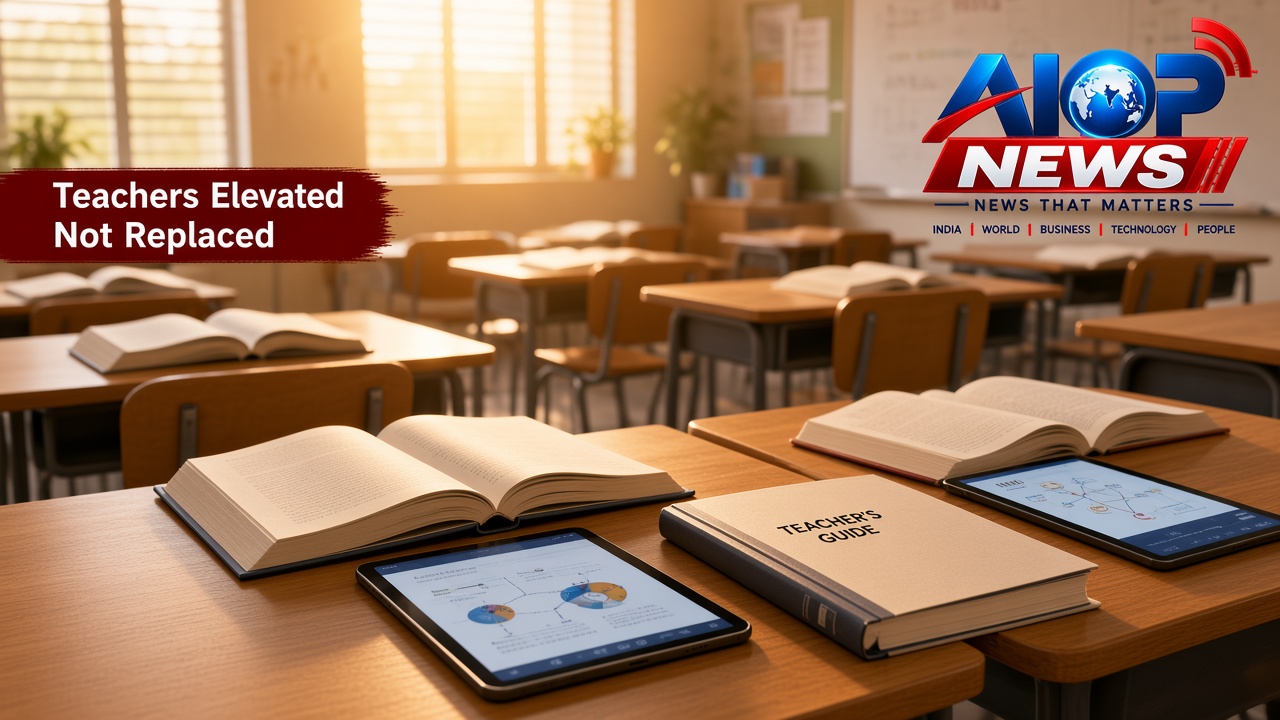
In modern Education, discussions often center around the shift toward student-led experiences. As schools explore innovative approaches to instruction, a common misconception frequently arises: that self-directed learning will eventually render professional educators obsolete. However, a closer examination of educational practice reveals just the opposite. When students truly own their learning journey, the role of the teacher does not fade away—it evolves, becoming significantly more complex and impactful.
According to recent education commentary, including insights highlighted in Education Week, the rise of independent study models actually places a higher demand on high-quality instructional guidance. Rather than standing at the front of the room delivering lectures, educators act as architects of learning environments, mentors, and facilitators who ensure that student autonomy is productive and meaningful.
Redefining the Role of the Professional Educator
Allowing students to take charge of their own academic paths does not mean abandoning them to navigate the curriculum alone. In fact, independent learning requires a high degree of scaffolding, thoughtful assessment, and targeted intervention. This is where professional expertise shines.
Teachers bring deep pedagogical knowledge to the classroom, helping students set realistic goals, evaluate their own progress, and navigate complex subjects. Without this foundational support, self-directed learning risks becoming unstructured and ineffective. The presence of a skilled educator ensures that student agency is paired with rigorous academic standards.
Why Professional Expertise Matters More Than Ever
As classrooms shift away from traditional, one-size-fits-all models, the demands placed on teachers grow. Managing a dynamic environment where multiple students pursue individualized pathways requires advanced classroom management, emotional intelligence, and subject-matter mastery.
Key ways professional expertise supports independent learning include:
- Designing Frameworks: Creating structured yet flexible learning environments where students can safely explore topics.
- Providing Formative Feedback: Guiding students through trial and error by offering constructive insights rather than simply handing out answers.
- Fostering Critical Thinking: Helping learners evaluate the credibility of sources and deepen their inquiry skills.
Conclusion
Ultimately, the push toward self-directed learning highlights the irreplaceable value of teachers. Far from making educators obsolete, giving students ownership over their education elevates teaching into a more specialized, collaborative, and essential profession than ever before.