For decades, parents and educators have debated the true purpose of preschool. Should three- and four-year-olds spend their days tracing letters and memorizing numbers, or should they be building block castles and playing dress-up? As preschool enrollment becomes more common, understanding what actually benefits young minds during these formative years is crucial.
To shed light on this debate, a comprehensive report from Education Week gathered insights from child development specialists and early educators. The consensus is clear: while academic basics have their place, the real foundations of lifelong learning are built through entirely different experiences.
The Shift Away from 'Academic Drill'
In recent years, many preschool programs have felt pressure to align closer with elementary school curricula. This has led to an increase in worksheets, flashcards, and structured testing in early childhood classrooms. However, developmental psychologists warn that this "academic pushdown" can actually backfire, leading to early disengagement and school-related anxiety.
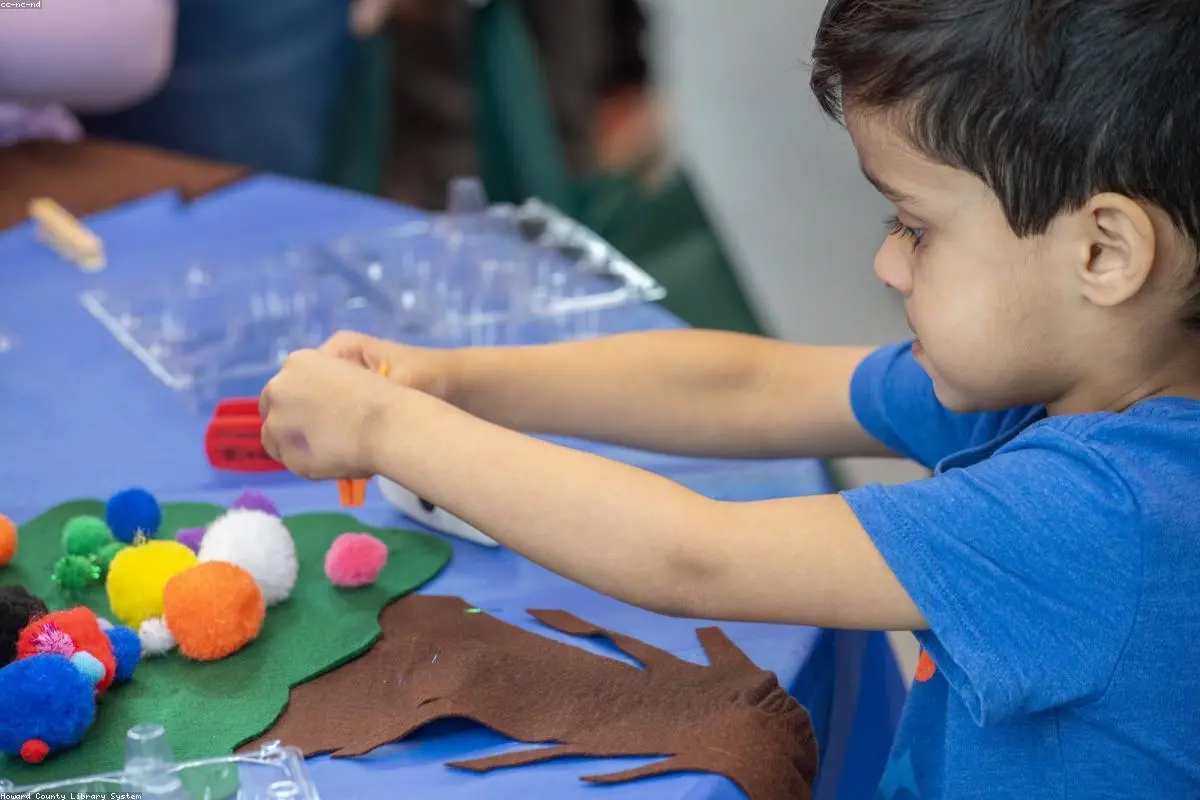
Instead of rigid academic drills, experts emphasize that play-based learning is the most effective vehicle for cognitive development. When children play, they are not just having fun; they are experimenting with scientific concepts, solving mathematical problems, and developing spatial awareness in a hands-on environment.
The Core Pillars of a High-Quality Preschool
According to experts in early childhood education, an ideal preschool curriculum should focus on holistic development. Rather than focusing solely on cognitive outcomes, high-quality programs prioritize three essential developmental pillars:
1. Social-Emotional Skills
The ability to share, resolve conflicts, and manage big emotions is far more predictive of future academic success than knowing how to read at age four. Preschool is a child's first major social environment outside the home. Learning to negotiate rules during a game or express feelings constructively sets the stage for healthy relationships and strong self-regulation later in life.
2. Language Acquisition and Communication
Rich oral language experiences are vital during these early years. Instead of quiet classrooms, high-quality preschools are noisy with conversation. Through interactive storytelling, singing, and peer interactions, children expand their vocabulary and learn the nuances of communication, which are the absolute prerequisites for reading comprehension in kindergarten and beyond.
3. Executive Function and Curiosity
Executive function refers to the brain's ability to focus, remember instructions, and multitask. In preschool, these skills are built when children plan their play, concentrate on building a complex block tower, or adapt when their initial plan fails. Fostering a natural curiosity and love for learning ensures that children remain motivated when they eventually face more challenging academic subjects.
What Parents Should Look For
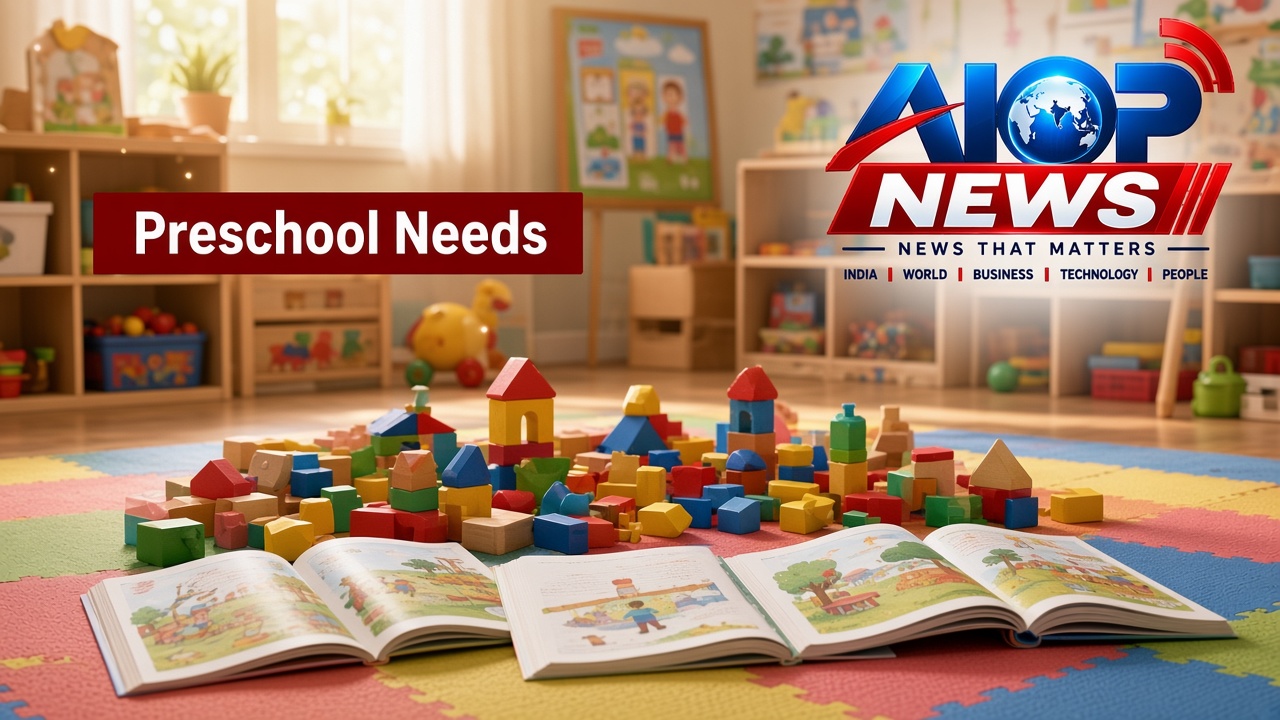
When touring preschools, parents often look for classrooms lined with alphabet charts and writing practice sheets. However, experts suggest looking for different indicators of quality. A positive environment is one where teachers interact warmly and responsively with children, open-ended toys (like blocks, clay, and sand) are abundant, and children are encouraged to make active choices about their learning.
Ultimately, a successful preschool experience is not measured by how many worksheets a child brings home, but by their confidence, their willingness to try new things, and their ability to interact positively with peers.
Conclusion
In summary, the best preschools do not treat young children like miniature high schoolers. They recognize that child development is a gradual process that relies heavily on social, emotional, and physical exploration. By championing play-based, relational learning, we can prepare children not just for kindergarten readiness, but for a lifetime of intellectual curiosity and emotional resilience.