The Shifting Landscape of Post-Graduation Success
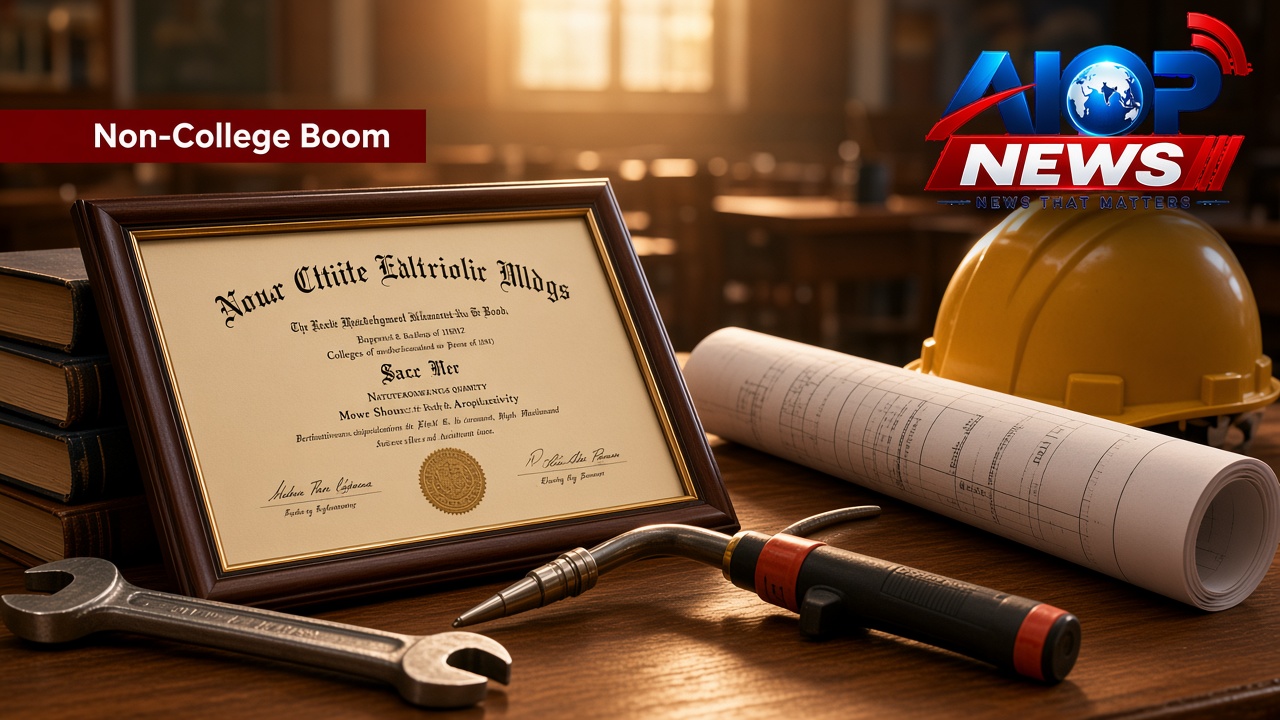
For decades, the standard narrative for high school seniors has been clear: graduate, apply to university, and earn a degree. However, as of October 12, 2026, the data tells a different story. A new survey indicates a significant shift in student priorities, with a growing number of graduates looking toward non-degree pathways—such as trade certifications, apprenticeships, and specialized technical training—to build their futures. While this diversification of career paths is a positive trend for individual flexibility, it has exposed a growing vulnerability in our high school systems: school counselors are struggling to keep pace with these evolving demands.
This trend is reshaping the Education sector, challenging the long-held assumption that a four-year degree is the only path to a successful career. As students express increasing interest in these alternatives, the pressure mounts on school counseling departments to provide expert guidance on non-traditional options.
The Growing Gap in Counseling Support
The core issue highlighted by the recent findings is a disconnect between student interests and school resources. Traditionally, school counselors have been trained and incentivized to navigate the complex world of college admissions, financial aid, and academic preparation for higher education institutions. Because of this historical focus, many counselors lack the specific knowledge or network connections required to effectively guide students toward high-quality vocational or non-degree programs.
Why Schools Are Struggling to Keep Up
Several factors contribute to this preparedness gap. First, the rapid emergence of diverse career pathways often outpaces the development of formal professional development programs for school staff. Many counselors find themselves overwhelmed by the technical intricacies of apprenticeship programs and certificate requirements, which differ significantly from the standardized college application process.
Furthermore, systemic barriers often prevent schools from pivoting their counseling strategy. Existing budgets and staffing configurations are frequently locked into college-readiness metrics. Without updated training or additional support, counselors are left to support students navigating a complex landscape without the necessary roadmap.
Addressing the Challenges Ahead
As noted in the reporting from Education Week, the industry is at a crossroads. The interest in non-degree pathways is not a fleeting trend but a fundamental shift in how young adults view economic opportunity. To bridge this divide, schools must consider a multi-faceted approach, including expanding counselor professional development to cover vocational pathways and fostering partnerships with local industry leaders.
The ability of schools to adapt will define the future success of their students. If the counseling profession remains tethered to a college-only model, students interested in alternative routes may find themselves isolated during a critical period of their professional development.
Conclusion
The rise in interest toward non-degree pathways is a clear signal that the definition of "college and career readiness" is expanding. While the current lack of support for these students is concerning, it provides a clear mandate for school systems: modernize the counseling curriculum and provide the resources necessary for students to pursue a wider range of post-secondary success. Ensuring that every student, regardless of their chosen path, has access to expert guidance remains a vital mission for educators today.