A New Era in Neuro-Oncology
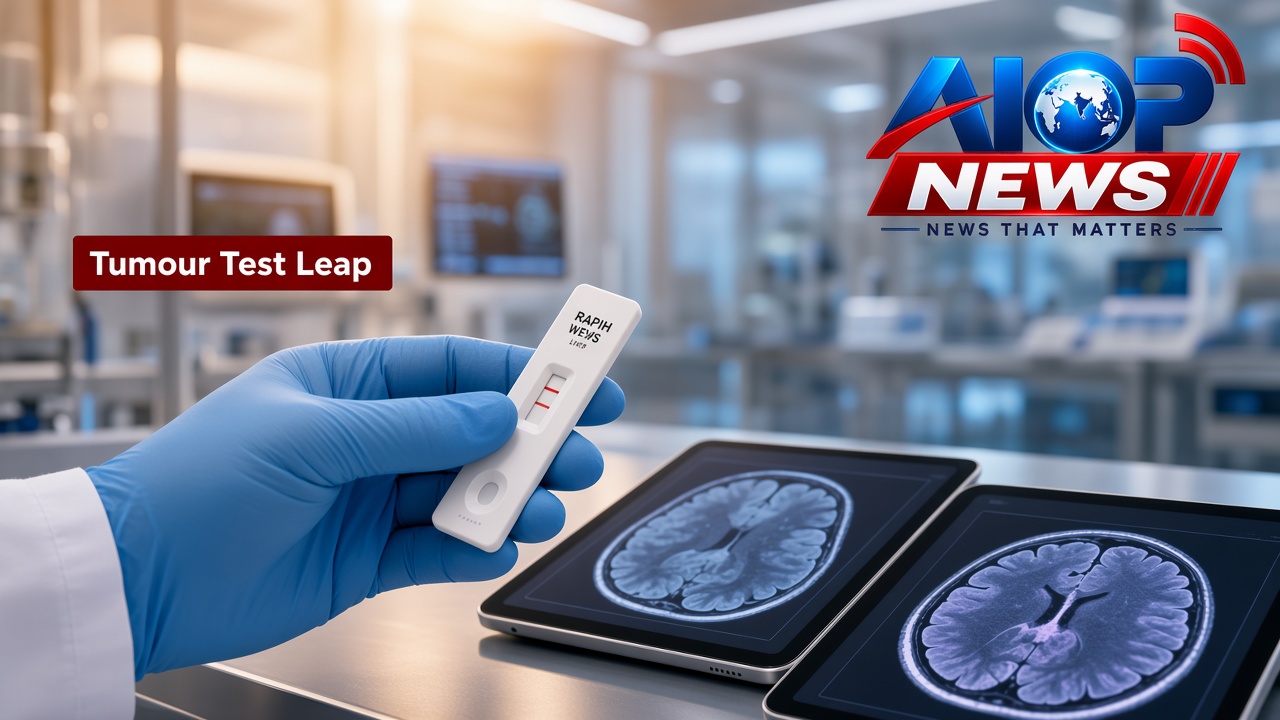
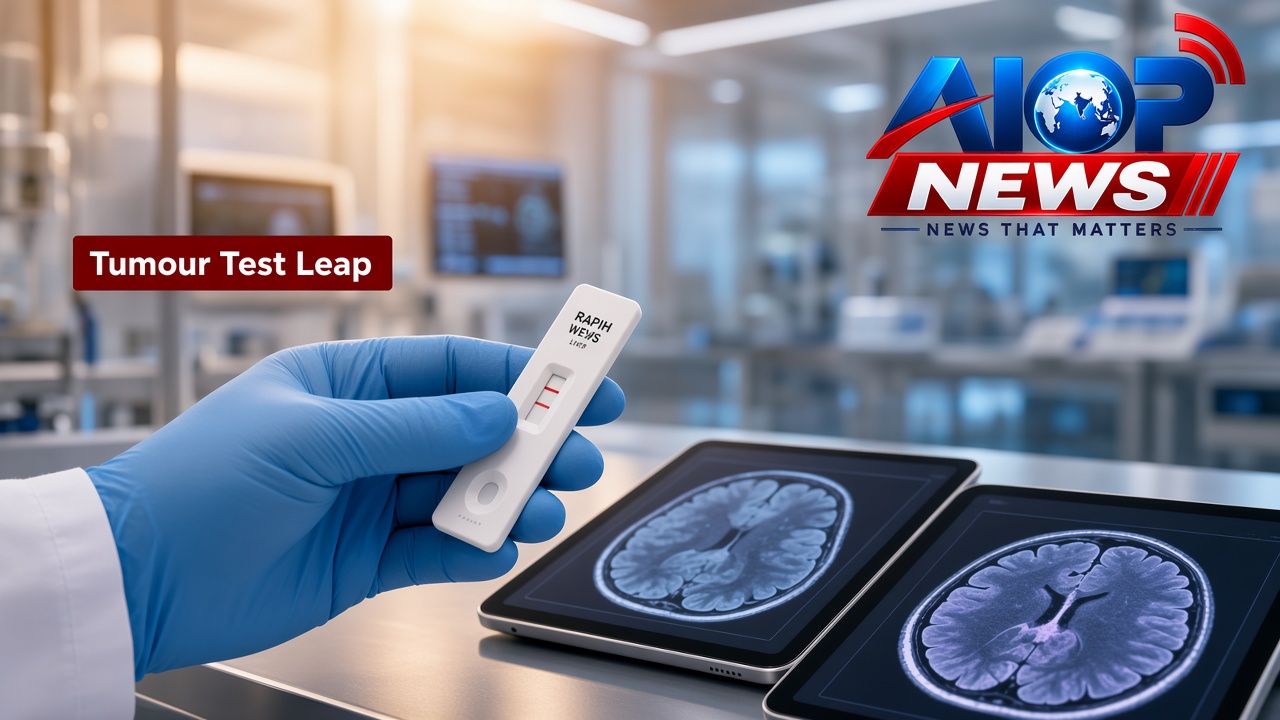
For decades, the path from a suspected brain tumour to a definitive diagnosis has been a grueling journey for patients and their families. Traditionally, after a biopsy is performed, tissue samples are sent to specialized labs where pathologists spend days or even weeks conducting complex analyses. However, a groundbreaking new diagnostic test is changing the landscape of medical science, reducing that wait time to just a few hours.
This leap in diagnostic speed is more than just a matter of convenience; it is a life-altering advancement in the field of health and neurology. By providing real-time data while a patient is still on the operating table, surgeons can make informed decisions that were previously impossible.
The Technology Behind the Speed
The core of this transformation lies in advanced genomic sequencing and AI-driven analysis. Unlike traditional methods that rely on chemical staining and visual inspection under a microscope, this new technique utilizes nanopore sequencing technology. This process involves passing DNA molecules through tiny holes (nanopores) and measuring changes in electrical current to identify the genetic makeup of the tumour instantly.
Real-Time Surgical Guidance
One of the most significant advantages of this rapid test is its application during surgery. When a neurosurgeon operates on a brain tumour, the primary goal is to remove as much of the cancerous tissue as possible without damaging the healthy brain matter surrounding it. However, different types of tumours require different surgical margins.
With results available in under six hours, surgeons can now identify the specific subtype of the tumour before the procedure is even finished. If the test reveals a highly aggressive glioma, the surgical strategy can be adjusted immediately to ensure a more extensive resection. Conversely, if the tumour is found to be a less invasive type, the surgeon can preserve more of the healthy tissue, reducing the risk of post-operative neurological deficits.
Transforming the Patient Experience
The psychological toll of waiting for a cancer diagnosis is immense. The "diagnostic odyssey" often leaves patients in a state of limbo, unable to start targeted therapies or plan for the future. By slashing the turnaround time, medical teams can initiate precision medicine protocols almost immediately.
According to a report by the BBC, this innovation is already showing promising results in clinical settings. Researchers have noted that the rapid test achieves a high degree of accuracy, comparable to the "gold standard" laboratory tests that take weeks to complete.
Cost-Effectiveness and Accessibility
While the technology sounds futuristic, its implementation could lead to significant cost savings for healthcare systems. Faster diagnosis means shorter hospital stays, fewer follow-up appointments, and more efficient use of operating rooms. As the technology scales, it is expected to become a standard tool in oncology departments worldwide, making high-tier diagnostic capabilities accessible beyond just a few specialized research hospitals.
Future Implications for Cancer Treatment
The success of rapid testing in brain tumour diagnosis paves the way for similar advancements in other areas of oncology. If the genetic signature of a tumour can be identified in hours, the same logic could be applied to lung, breast, or prostate cancers, where biopsy results are currently a bottleneck in the treatment pipeline.
Furthermore, this technology integrates seamlessly with the rise of personalized medicine. By knowing the exact mutations driving a tumour's growth within hours of discovery, doctors can prescribe targeted biological therapies or enroll patients in specific clinical trials without delay.
Conclusion
The transition from weeks to hours in brain tumour diagnosis represents a monumental shift in medical technology. By bridging the gap between surgery and pathology, this rapid test offers hope to thousands of patients. It empowers surgeons with the data they need when they need it most and ensures that treatment begins at the earliest possible moment. As we look toward the future of healthcare, such innovations remind us that the marriage of biology and technology is the key to overcoming some of the most daunting challenges in modern medicine.