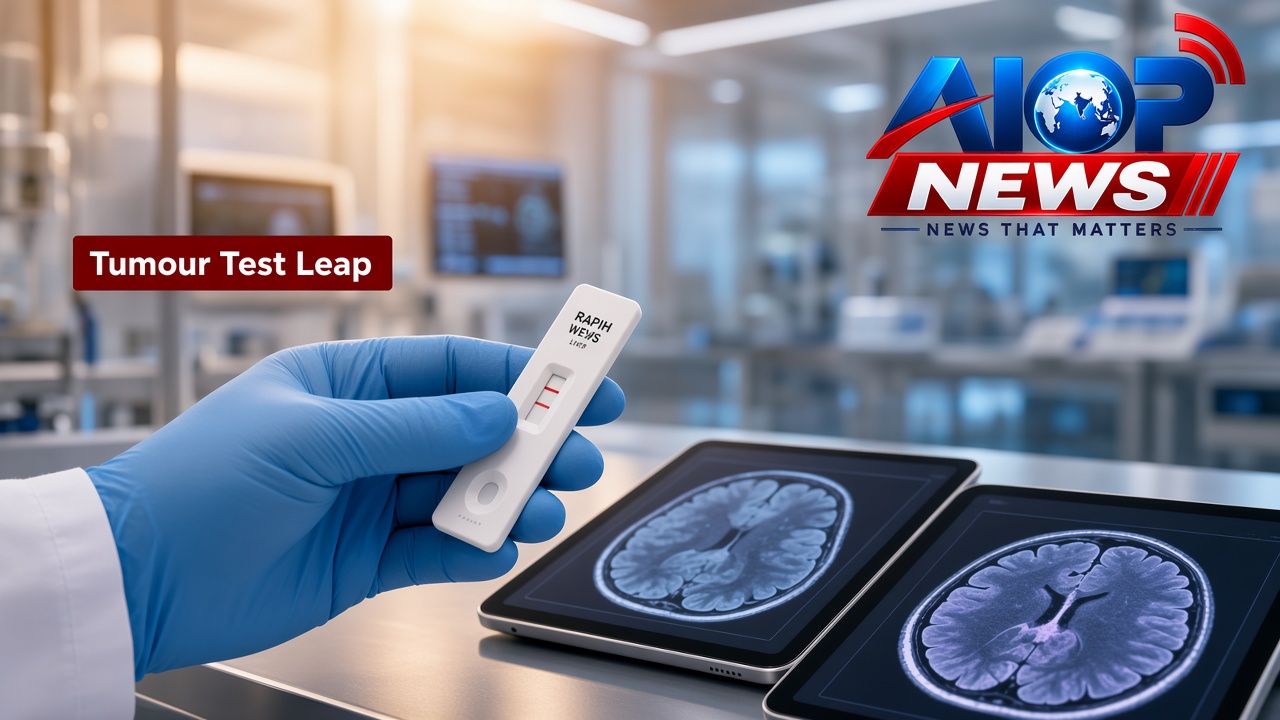
In the field of neuro-oncology, time is one of the most critical factors determining patient survival and quality of life. For decades, individuals undergoing surgery for suspected brain tumours faced an agonising wait of days or even weeks for detailed laboratory biopsies to confirm the exact nature and subtype of their malignancy. Now, a pioneering rapid test is altering this paradigm, providing surgical teams with actionable diagnostic data in real time.
This medical innovation, highlighted in recent reporting on modern advancements in Health, bridges the critical gap between tissue resection and molecular diagnosis. By evaluating tumour biology while the patient is still in or recovering from the operating theatre, doctors can make informed decisions faster than ever before.
Transforming Neurosurgery with Real-Time Diagnostics
Traditionally, neurosurgeons relied on frozen section analysis during surgery, followed by comprehensive histopathological and genomic testing that required extended turnaround times. While frozen sections give a rough indication of whether tissue is cancerous, they rarely yield the deeper molecular fingerprint needed to guide modern targeted therapies.
The newly developed rapid diagnostic technique leverages ultra-fast molecular sequencing and advanced machine-learning algorithms to profile tumour DNA within a matter of hours. This means that before a patient is even discharged from postoperative care, the multidisciplinary team has a precise classification of the tumour, ranging from aggressive glioblastomas to less invasive low-grade gliomas.
Direct Impact on Surgical Outcomes
Speeding up diagnosis directly impacts what happens during surgery. When surgeons know the exact molecular profile of a growth:
- Maximal Safe Resection: Surgeons can adjust the aggressiveness of tissue removal. If the test identifies an invasive tumour type, the team can push the boundaries of resection while preserving crucial functional brain tissue.
- Immediate Targeted Treatment: Patients do not have to wait weeks to begin precision therapies, clinical trials, or focused radiation protocols, giving them a vital head start against fast-progressing cancers.
- Reduced Need for Secondary Surgeries: Accurate instant identification reduces the likelihood of needing revision procedures caused by incomplete initial assessments.
Alleviating the Psychological Toll on Patients and Families
Beyond the undeniable clinical benefits, the psychological relief provided by rapid testing cannot be overstated. Receiving a brain tumour diagnosis is an intensely distressing experience, and the prolonged waiting period for biopsy results often causes severe emotional strain for patients and their loved ones.
By delivering clarity in hours rather than weeks, clinicians can immediately discuss a clear, evidence-based management plan with the patient. This transparency reduces uncertainty, helps families prepare psychologically, and instils confidence in the personalised healthcare strategy being deployed.
The Next Frontier in Personalised Cancer Care
The emergence of rapid tumour testing is part of a broader shift toward individualised precision medicine across the globe. As DNA sequencing hardware becomes more compact and artificial intelligence tools become more adept at identifying subtle genetic patterns, point-of-care diagnostics will soon become standard in operating rooms worldwide.
Specialists anticipate that this methodology will eventually extend beyond neurosurgery, serving as a template for treating other complex cancers where rapid genomic stratification is essential.
Conclusion
The introduction of rapid diagnostic tests marks a major milestone in neuro-oncological care. By combining bleeding-edge sequencing with sophisticated data analysis, healthcare providers are dismantling long-standing delays in cancer diagnosis. Ultimately, this ensures that brain tumour patients receive faster, safer, and far more tailored interventions when every single minute matters.
To learn more about this medical advancement, watch the full report documented by BBC News.