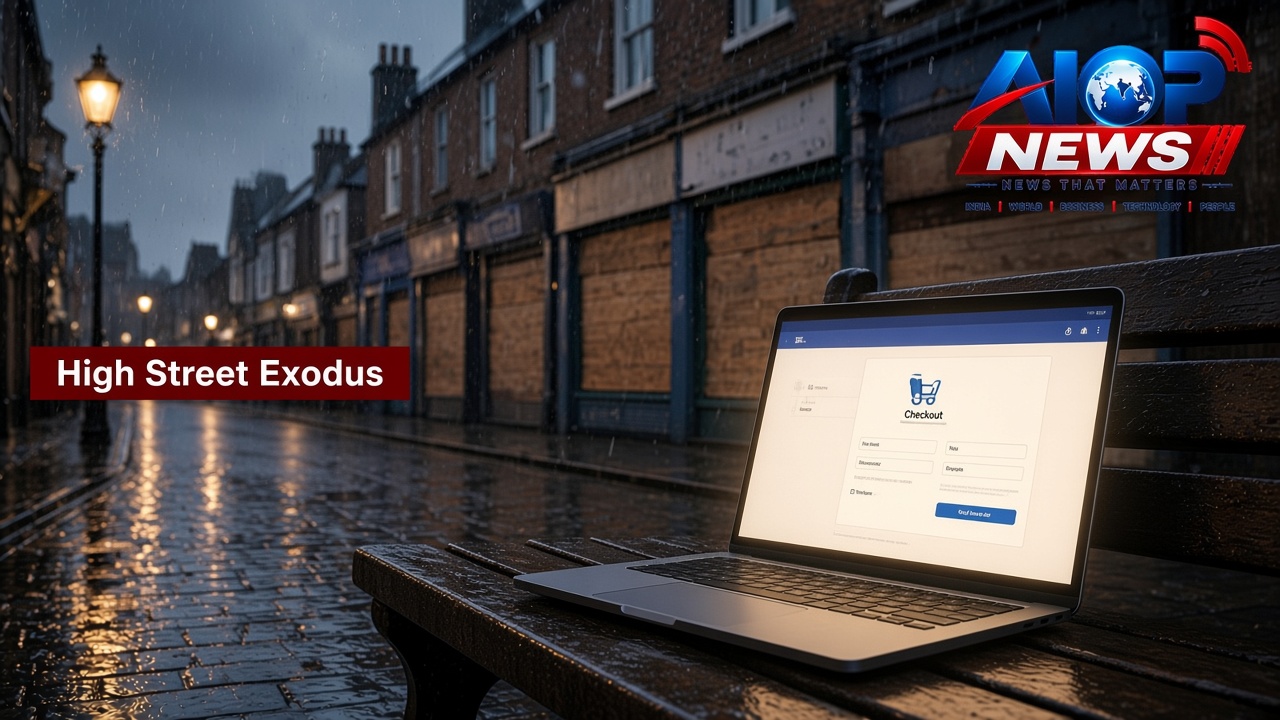
The Shift Away From Brick-and-Mortar Retail
The retail landscape is undergoing a profound transformation as more consumers completely abandon physical clothing stores in favor of digital storefronts. This shift in consumer behavior is drawing renewed attention across the Business sector, particularly as major high street brands adapt their fulfillment strategies to meet changing demands.
Recently, budget fashion giant Primark announced plans to introduce home delivery options for its customers. This milestone development highlights a broader industry acknowledgment that digital accessibility is no longer optional, even for brands traditionally rooted exclusively in the physical high street.
Why Traditional Shopping Feels 'Demoralising'
For many shoppers, navigating crowded physical stores has lost its charm. As consumer preferences evolve, a growing number of individuals report finding the physical shopping experience increasingly frustrating. Complaints often center around long queues, disorganized inventory, and the sheer physical effort required to find specific sizes or styles in-store.
According to insights highlighted in a recent report by the BBC, some shoppers express a sense of defeat when attempting to browse traditional retail locations, leading them to declare that they never venture into physical clothing stores anymore. You can read the original reporting details via the BBC News coverage.
The Rise of E-Commerce Convenience
The appeal of online shopping lies primarily in its unmatched convenience. E-commerce platforms allow shoppers to browse expansive inventories from the comfort of their homes, compare prices effortlessly, and avoid the friction points commonly associated with physical retail spaces.
As retailers like Primark expand their digital capabilities to bridge the gap between in-store and online shopping, traditional business models face mounting pressure to innovate. Companies that fail to streamline their digital presence risk alienating a demographic of consumers who prefer a seamless, friction-free purchasing journey.
Conclusion
The movement toward digital-first shopping habits signifies a permanent evolution in the retail market. With major players adapting to online fulfillment, the high street must continually reinvent itself to win back consumers who find the traditional in-store experience unappealing. As e-commerce continues to dominate, businesses must prioritize digital accessibility to secure their future market share.