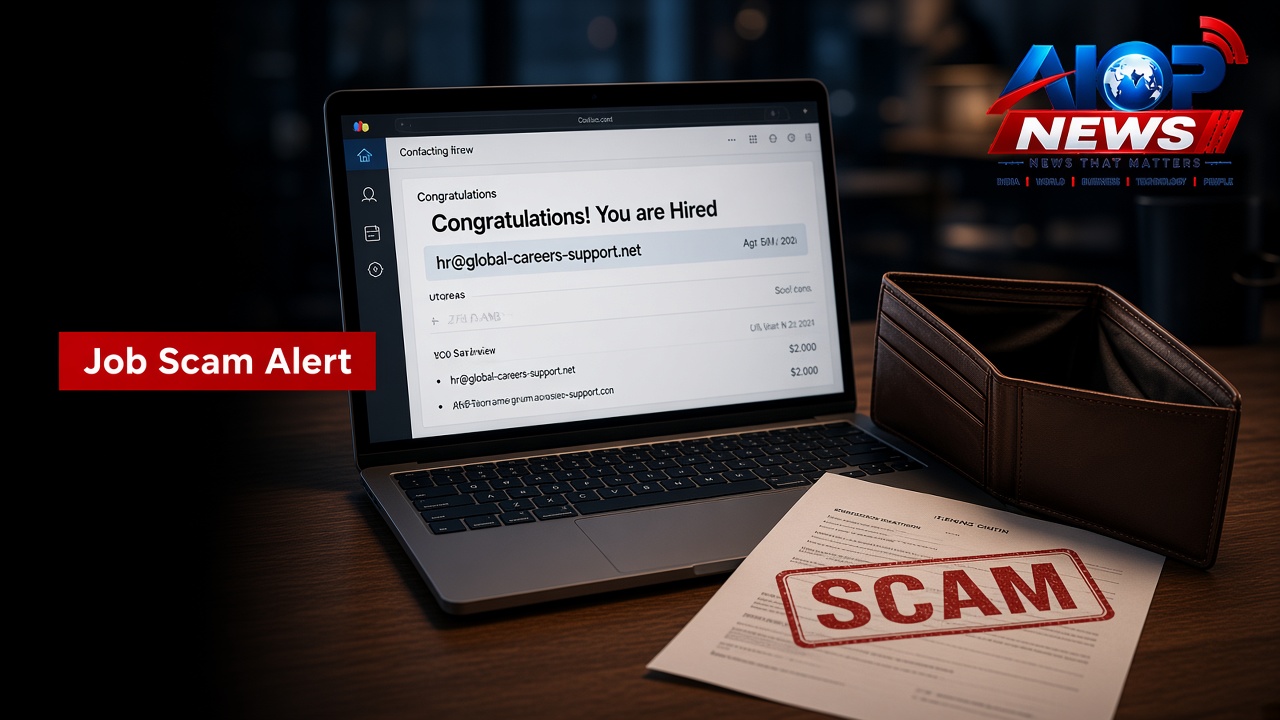
The Allure of the Modern Job Search Turned Nightmare
Finding a secure and fulfilling career is a primary goal for professionals worldwide, but the modern job market has increasingly become a breeding ground for sophisticated employment scams. In recent developments highlighting vulnerabilities in the recruitment sector, multiple job seekers have reported falling victim to fraudulent agencies that demand substantial upfront fees in exchange for guaranteed employment.
Among those affected is Apurv Patel, who is one of several individuals sharing their harrowing experiences. According to reports, Patel and other victims paid thousands of dollars to a company under the premise of securing lucrative job opportunities—only to find that the positions never existed and the promised employment never materialized.
For more insights on corporate integrity and employment trends, visit our Business section.
Understanding the Mechanics of Employment Fraud
Employment scams often target desperate or ambitious job seekers by masquerading as legitimate recruitment agencies, consulting firms, or direct employers. These entities frequently utilize professional websites, convincing job descriptions, and high-pressure sales tactics to convince candidates of their authenticity.
A common red flag in these schemes is the request for upfront payments. Legitimate employers and reputable recruitment agencies typically do not charge candidates thousands of dollars simply to apply for a job or to be considered for employment opportunities. When companies demand fees for "processing," "training materials," or "guaranteed placement," it often signals a fraudulent enterprise designed to exploit hopeful applicants.
Protecting Yourself in the Job Market
As fraudulent recruitment tactics continue to evolve, experts recommend heightened vigilance during the job search process. Candidates should thoroughly research prospective companies, verify corporate registrations, and remain extremely skeptical of any organization requiring financial transactions before an official, verified employment contract is signed.
The ordeal faced by Apurv Patel and other victims serves as a stark reminder of the financial and emotional toll exacted by deceptive employment practices. Authorities and consumer protection advocates continually urge affected individuals to report such incidents to relevant regulatory bodies.
Conclusion
The growing prevalence of job scams highlights an urgent need for greater transparency and stricter regulatory oversight within the recruitment industry. As highlighted in coverage by sources such as BBC News, individuals must remain vigilant against companies promising guaranteed job placements in exchange for significant sums of money. Protecting oneself begins with recognizing the warning signs of corporate fraud and ensuring that employment offers come from verified, trustworthy sources.