In a development that could reshape the corporate and industrial landscape, Elon Musk has announced that a mega-merger between electric vehicle manufacturer Tesla and aerospace enterprise SpaceX is under serious consideration. According to Musk, dedicated internal bodies have already been assembled across both corporate structures to investigate whether combining the two commercial giants is feasible.
The announcement brings unprecedented attention to the intersection of commercial space exploration and ground transportation, a domain closely watched across the wider Technology sector. While Musk confirmed the strategic review is underway, the prospect of combining two of the world's most high-profile technology enterprises marks a significant milestone in modern corporate history.
Special Committees Formed to Review Mega-Merger Proposal
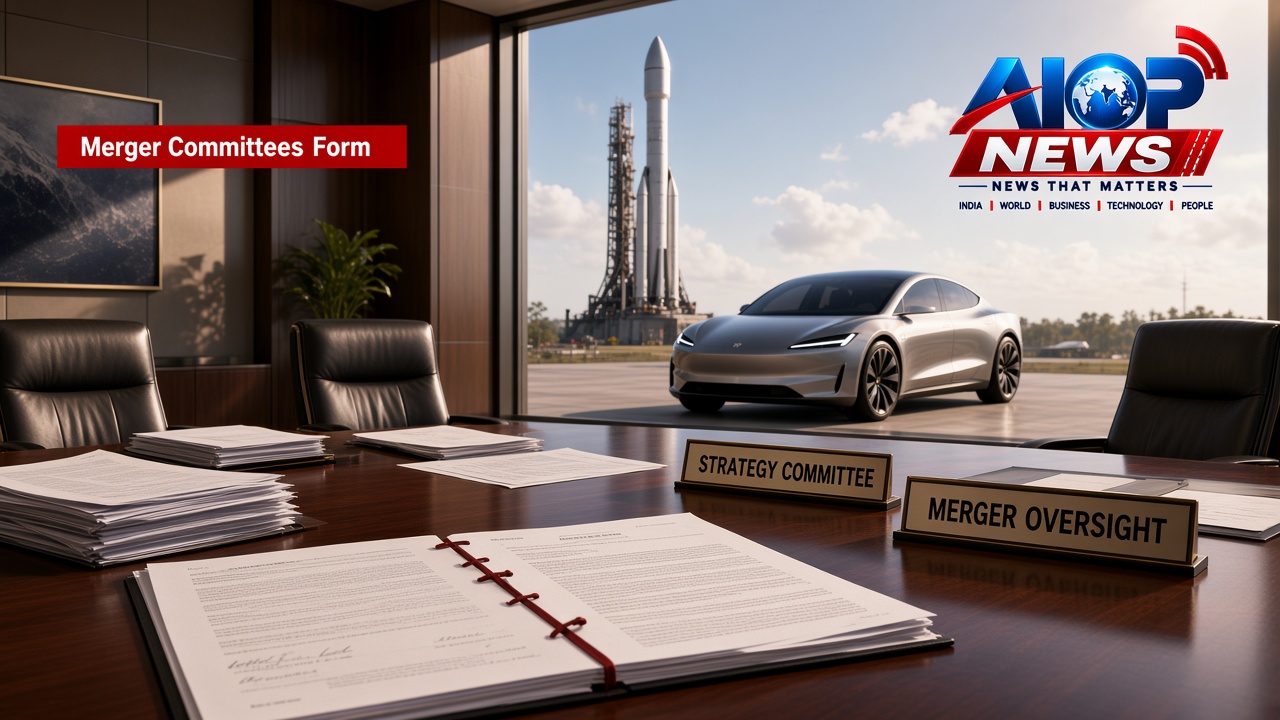
According to Musk, special committees within both companies have been formally formed to evaluate the potential mega-merger. The establishment of independent or specialized internal committees is a standard corporate governance measure used during high-stakes transactions. Such bodies are typically tasked with conducting thorough assessments of financial, operational, and legal implications before any binding decisions are made.
Because Tesla is a publicly traded company and SpaceX operates as a private enterprise, any structural union would require comprehensive evaluation. The committees will be responsible for examining the intricacies of combining distinct operational models, shareholder structures, and regulatory obligations. While Musk confirmed that these exploratory groups are active, further specifics regarding their timeline, structure, or immediate findings have not yet been disclosed.
Key Focus Areas for Corporate Evaluation
When special committees review transactions of this scale, several core considerations naturally arise:
- Shareholder Alignment: Balancing the interests of public investors with private equity holders.
- Operational Synergies: Assessing how manufacturing, research, and engineering divisions might collaborate.
- Regulatory Feasibility: Anticipating legal and antitrust reviews by government and market authorities.
Implications for Advanced Technology and Industry
The potential consolidation of Tesla and SpaceX represents a historic crossover between ground-based sustainable energy systems and aerospace engineering. Tesla has long focused on battery design, automated mobility, and mass manufacturing, while SpaceX has concentrated on orbital logistics, rocket propulsion, and satellite communication networks.
Bringing these two operations under a single corporate banner could lead to consolidated engineering efforts, shared material science developments, and aligned corporate missions. Observers throughout the technology industry continue to examine how cross-disciplinary collaboration might influence hardware innovation, software development, and large-scale manufacturing processes.
Regulatory Scrutiny and Corporate Governance Challenges
Any potential mega-merger of this magnitude will inevitably face intense scrutiny from market regulators, governing bodies, and institutional stakeholders. A consolidation connecting publicly listed entities with private defense and aerospace contractors involves complex regulatory frameworks, national security assessments, and fiduciary considerations.
The special committees established at both firms will play a critical role in determining whether such regulatory barriers can be successfully navigated. By delegating the initial analysis to these committees, both organizations are creating a formal mechanism to review the proposal thoroughly before advancing any concrete merger agreement.
Summary: A Landmark Consideration in Progress
For now, the initiative remains in an exploratory phase. Elon Musk's confirmation that special committees are actively assessing a Tesla-SpaceX merger signals that formal discussions are underway, though no final outcome has been guaranteed. As these internal reviews proceed, market analysts, industry observers, and corporate stakeholders will be watching closely for updates on the committees' findings. More information on the initial report is available via BBC News.