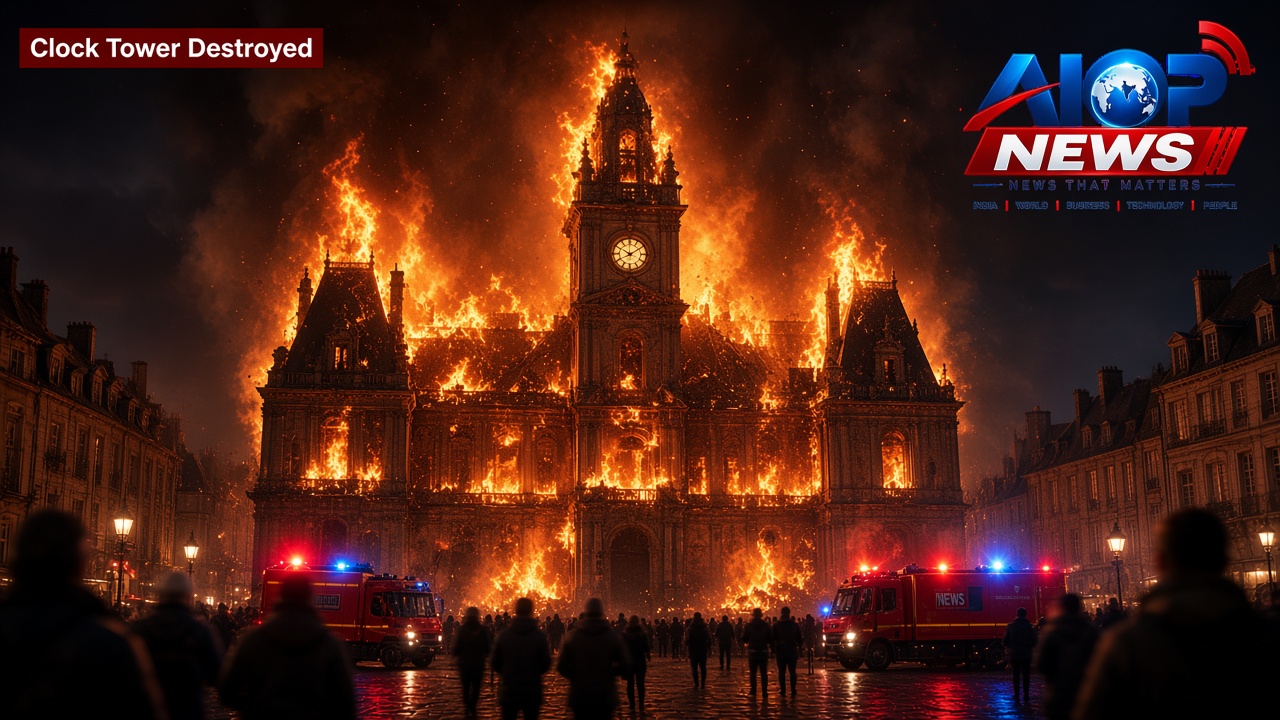
Widespread civil unrest has swept through cities across France as demonstrations over the cost of living escalated into intense confrontations, property destruction, and mass detentions. Authorities have confirmed that more than 1,200 individuals have been arrested nationwide following incidents of violent clashes, looting, and multiple buildings being set ablaze.
The unrest emerged during a day of widespread national mobilisation, where more than half a million people assembled across urban centres to voice their frustration over increasing living expenses. While the demonstrations brought massive crowds into the public square, the day was severely marred by disorder that erupted across various metropolitan areas.
Mass Demonstrations Erupt Over Economic Pressures
The scale of the mobilization underscores the deep-seated economic anxieties currently felt by residents. Across the country, an estimated 500,000-plus participants joined organized actions to highlight the mounting strain caused by day-to-day expenses, inflation, and stagnant financial conditions.
Economic grievances have remained a critical focal point in broader International news, with communities across several nations grappling with similar pressures. In France, the gathering of hundreds of thousands of citizens demonstrated the sheer breadth of public discontent regarding essential costs, housing, food, and energy burdens.
Escalation into Violence and Widespread Destruction
Despite the initial gathering of citizens seeking to address economic concerns peacefully, significant pockets of turmoil developed as the day progressed. Law enforcement agencies in several cities found themselves engaged in protracted confrontations with groups engaged in aggressive civil disorder.
According to reports detailing the incidents, violent clashes broke out along major avenues and commercial corridors. Commercial properties and storefronts became targets of opportunistic looting, while emergency services were summoned to combat blazes as multiple buildings were set on fire. Plumes of smoke and burning structures marked the skylines of affected regions, presenting critical public safety challenges for municipal emergency services.
Massive Security Mobilisation and Over 1,200 Arrests
In response to the rapid deterioration of public order, security forces conducted large-scale operations to quell unrest and prevent further destruction of civic infrastructure. These interventions led to the detention of more than 1,200 people nationwide, representing one of the largest single-day arrest tallies in recent protest actions.
Key developments from the nationwide protests include:
- More than half a million people joined protests against the rising cost of living across the country.
- Disorder and confrontations were reported across multiple French cities simultaneously.
- Rampant looting affected retail and commercial establishments in affected districts.
- Multiple buildings were set ablaze, drawing emergency firefighting interventions.
- Law enforcement detained over 1,200 individuals in connection with the unrest.
Security officials maintained a visible presence throughout the evening and into the following hours in an effort to restore stability, secure damaged infrastructure, and clear transit routes obstructed during the disturbances.
Broader Impact on Communities and Economic Debate
The sheer intensity of the turmoil has caused significant shock across municipal communities, leaving local business owners and residents to assess property damage left in the wake of fires and ransacked stores. The scenes of charred buildings and broken shopfronts underscore the volatility that can emerge when widespread socioeconomic grievances spill over into the streets.
As covered in detailed reporting by BBC News, the transition from peaceful economic protest to nationwide unrest has renewed sharp attention on how public order is maintained during massive public demonstrations.
A Crucial Moment for Domestic Stability
The magnitude of the mobilization—drawing over half a million participants—confirms that cost of living pressures remain at the forefront of public sentiment. However, the subsequent violence, widespread vandalism, and the detention of more than 1,200 people have introduced acute governance challenges. With substantial physical damage left behind in several major urban centres, national and municipal authorities now face the dual challenge of addressing profound public discontent over household economic survival while securing cities against destructive civil disorder.