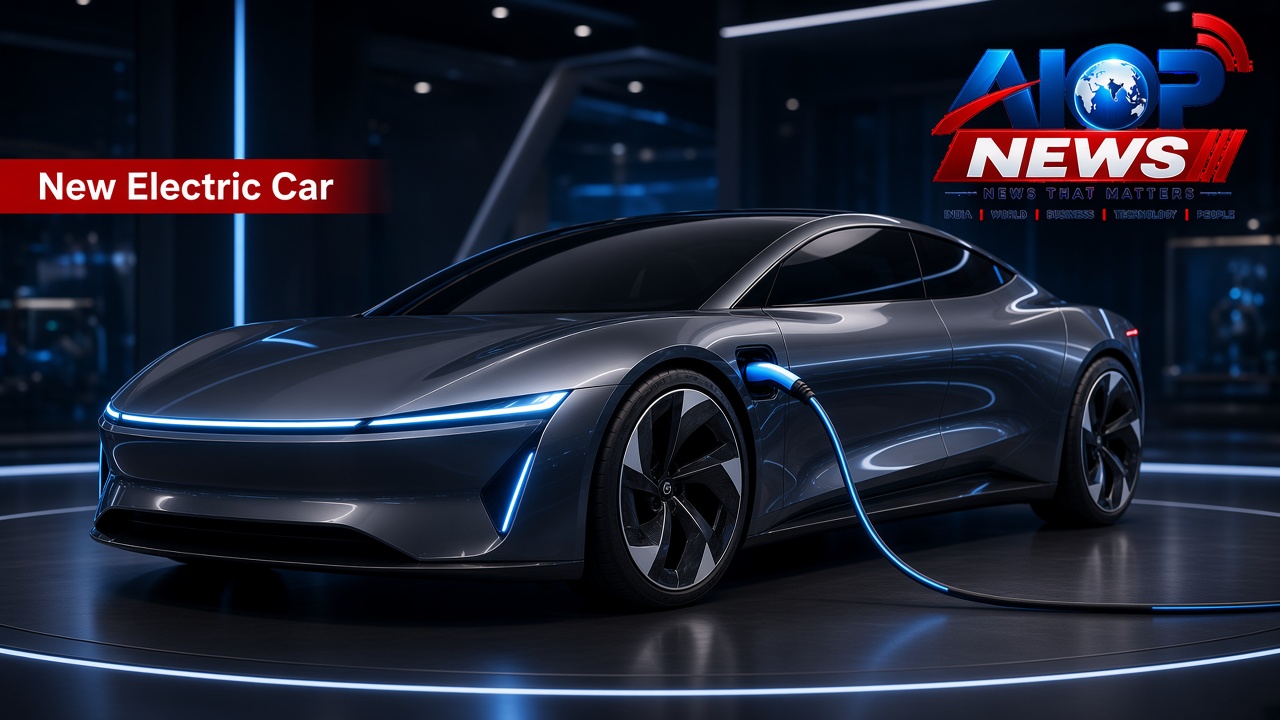
Jaguar Land Rover (JLR) has officially unveiled Jaguar’s new electric car, marking a pivotal milestone in the luxury automotive brand's transition toward an all-electric future. The reveal comes two years after JLR's initial relaunch of the iconic Jaguar brand generated a wave of public controversy and social media debate, with critics dismissing its bold new identity and promotional direction as overly 'woke.'
By moving from conceptual branding initiatives to an actual, tangible electric vehicle, the company aims to shift public focus back to automotive engineering, design, and physical product delivery. The unveiling represents a critical test for JLR's long-term commercial strategy as global vehicle manufacturers navigate the evolving electric vehicle market.
From Brand Controversy to Tangible Electric Product
Two years ago, JLR initiated a dramatic overhaul of the Jaguar brand, sparking immediate and widespread commentary across consumer platforms and industry forums. The initial relaunch, designed to signal a modern repositioning for the legacy marque, faced substantial public pushback from audiences who questioned the company's fresh aesthetic and creative artistic direction.
Despite the initial wave of scrutiny, JLR has pressed forward with its overarching commercial strategy. The introduction of this newly unveiled electric vehicle transitions the brand from abstract marketing campaigns to physical automotive reality. By delivering a complete, production-ready car, Jaguar demonstrates its commitment to fulfilling the corporate goals established during its strategic pivot, anchoring its modern identity firmly in zero-emission mobility.
Strategic Positioning in the Luxury EV Market
The rollout of new zero-emission models is central to modern corporate automotive planning. As regulatory environments shift and premium consumer demands evolve globally, legacy car manufacturers are committing significant capital toward fleet electrification and technological updates. For Jaguar, entering this next operational phase is essential to securing its long-term footprint in the modern automotive economy.
Industry observers closely monitor how established automakers execute major identity changes while maintaining their operational foundation. Navigating such corporate transitions requires balancing traditional heritage with contemporary market trends. For further coverage on market strategies and major industry shifts, visit our Business news section.
Managing Public Perception and Corporate Identity
Rebranding a classic company with decades of deep heritage presents complex corporate communication challenges. When legacy brands redefine their core image, strong public reactions from existing brand loyalists and prospective customers are common. The controversy surrounding Jaguar's strategic pivot underscored the intense public scrutiny modern corporate rebranding efforts encounter.
However, the transition from promotional messaging to practical hardware allows automotive manufacturers to demonstrate clear physical value. By presenting a functional electric car, JLR aims to prove that its long-term commercial roadmap was designed to support an innovative production model, answering skepticism through tangible vehicle execution.
Conclusion
The unveiling of Jaguar’s new electric vehicle marks a decisive shift in JLR’s business strategy. Two years after a controversial brand relaunch drew public ridicule, the automaker has grounded its future identity in a concrete automotive product. As the global electric vehicle sector continues to develop, Jaguar’s move from public debate to physical vehicle production highlights the complex dynamics of modern corporate transformation.
For more details on this story, read the original reporting at BBC News.