The Evolving Landscape of Language Services
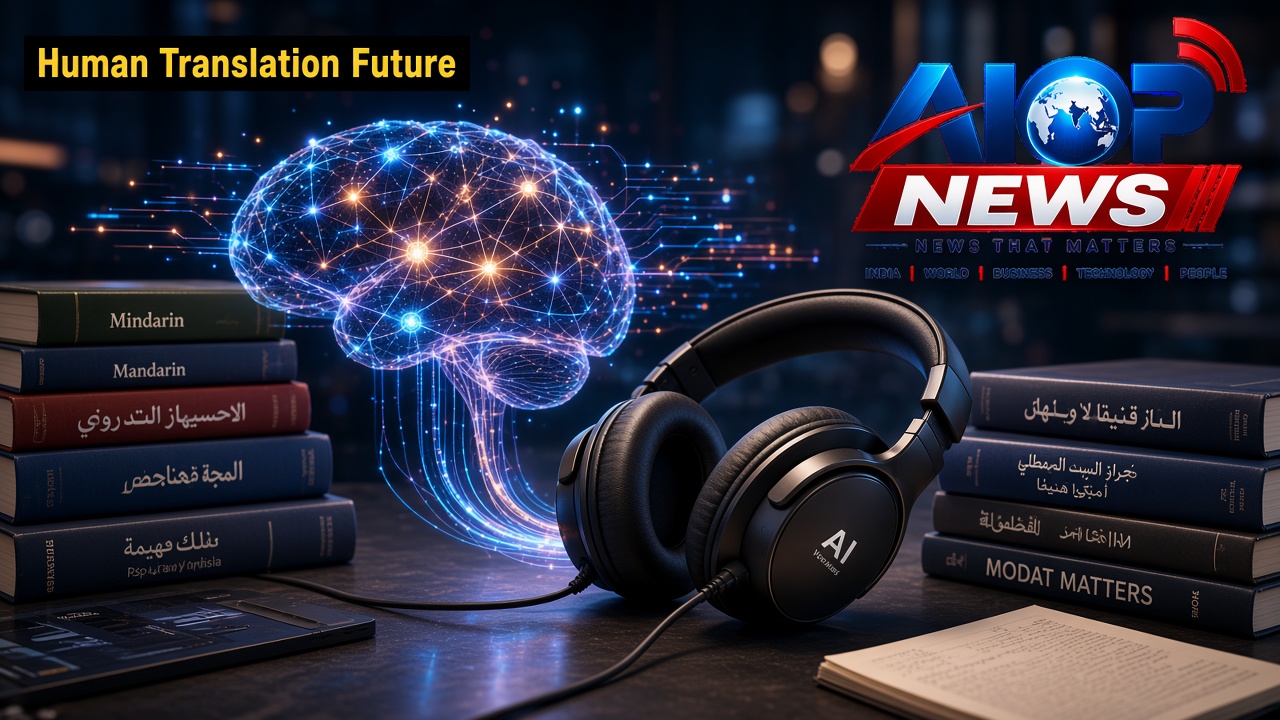
Artificial intelligence has rapidly transformed the global Technology sector, and the translation business is no exception. Today, AI-driven tools dominate much of the translation landscape, offering unprecedented speed and volume for everyday multilingual tasks. However, as machine translation continues to advance, a pressing question remains for professionals across the industry: How long will humans actually be needed for translation?
According to recent industry observations reported by sources such as BBC News, while automated systems handle routine localization with ease, the human element has far from disappeared. The boundary between machine capability and human necessity is defined largely by the nature and stakes of the content being translated.
Where AI Dominates the Translation Business
For standard, low-risk documents and general communication, artificial intelligence has become the go-to solution. Machine translation models process massive volumes of text in seconds, reducing costs and accelerating delivery times for businesses operating on a global scale. This technological dominance has streamlined workflows, allowing companies to scale their international reach faster than ever before.
However, automation efficiency comes with inherent limitations. While algorithms excel at pattern recognition and literal conversion, they often struggle with the subtle nuances of human culture, idiom, and emotional subtext.
Why High-Stakes Work Still Requires Humans
Despite the rapid progress of machine learning, high-stakes translation work firmly remains the domain of human professionals. Legal documents, medical records, diplomatic communications, and creative literature demand a level of precision, contextual understanding, and accountability that current AI systems cannot independently guarantee.
In high-stakes scenarios, a mistranslation can lead to severe legal consequences, misdiagnosed healthcare outcomes, or damaged diplomatic relations. Because the margin for error is razor-thin, human translators are still required to review, refine, and validate machine-generated outputs to ensure complete accuracy and cultural relevance.
Conclusion: The Future of Human and Machine Collaboration
Ultimately, the translation industry is transitioning toward a collaborative model rather than a total replacement of human labor. While artificial intelligence will continue to dominate routine translation tasks, the demand for human expertise in high-stakes environments ensures that professionals will remain vital to the field for the foreseeable future.