The Shift in India's Retail Landscape
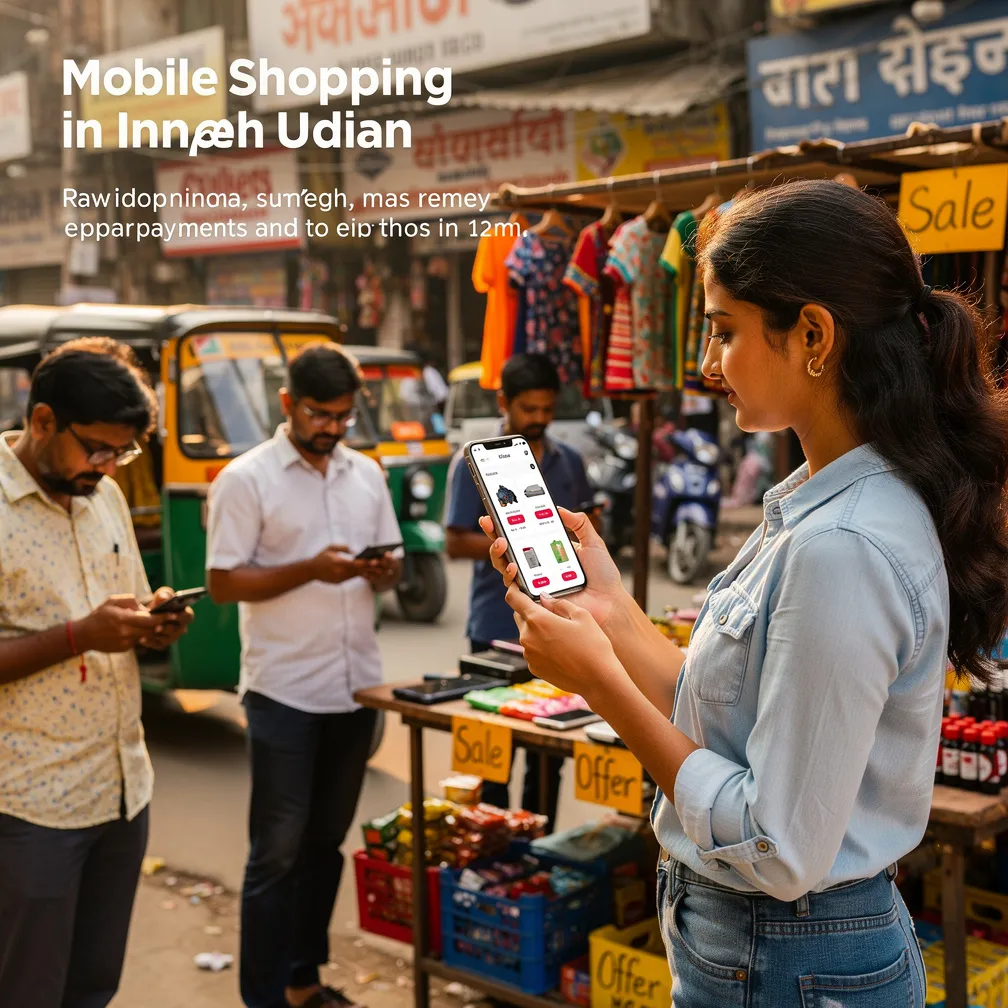
India is undergoing a monumental shift in consumer behavior, where the traditional friction of paying at checkout is rapidly becoming a relic of the past. Driven by rapid advancements in financial technology and widespread smartphone adoption, millions of Indians are embracing innovative ways to shop without making immediate cash or card payments.
According to a recent report highlighted by the BBC, this phenomenon is reshaping the urban retail ecosystem. Consumers are increasingly drawn to seamless, automated shopping experiences that leverage cutting-edge algorithms and instant credit approvals.
How Modern Technology Enables Frictionless Shopping
At the heart of this trend are sophisticated backend systems powered by artificial intelligence and cloud computing. These digital infrastructures allow retailers to track inventory, verify user identities in milliseconds, and process transactions entirely in the background. To understand more about how these digital shifts are impacting various sectors, explore our deep dive into Technology trends.
The Rise of Buy Now, Pay Later (BNPL) and Zero-Touch Stores
The concept of 'shopping without paying upfront' is primarily fueled by two major trends:
- Buy Now, Pay Later (BNPL): Integrated deeply into e-commerce apps and UPI platforms, BNPL services allow users to receive items immediately and defer payment or split bills into micro-installments with zero friction.
- Walk-Out Retail Tech: Inspired by global cashierless stores, Indian startups are experimenting with computer vision and IoT sensors that track items picked up by shoppers, automatically charging their digital wallets upon exit.
Economic Implications and Consumer Psychology
While the psychological thrill of acquiring goods instantly without immediate financial pain is driving massive engagement among younger demographics, financial experts advise caution. The ease of access can sometimes lead to impulse buying and unintended debt accumulation. However, fintech companies argue that these tools provide vital credit access to the unbanked and underbanked populations of India, fostering greater financial inclusion.
Furthermore, merchants are reaping the benefits of higher conversion rates and larger average order values. When checkout friction is entirely removed, cart abandonment drops significantly, translating to booming revenues for digital-first brands.
Conclusion
The trend of shopping without paying immediately represents a fascinating intersection of consumer psychology and advanced digital infrastructure. As India continues to digitize its economy at an unprecedented pace, frictionless retail is poised to move from a novel luxury to an everyday standard. Balancing consumer protection with technological innovation will be the key to sustaining this retail revolution in the years to come.