As the United States records more measles cases this year than in any year in more than three decades, school administrators and educators are facing an urgent new challenge. The sudden and powerful resurgence of this highly contagious virus has put student health and safety back at the forefront of national conversations. For a deeper dive into how this impacts classrooms, explore our latest updates in Category: Education.
Understanding the Measles Resurgence in Schools
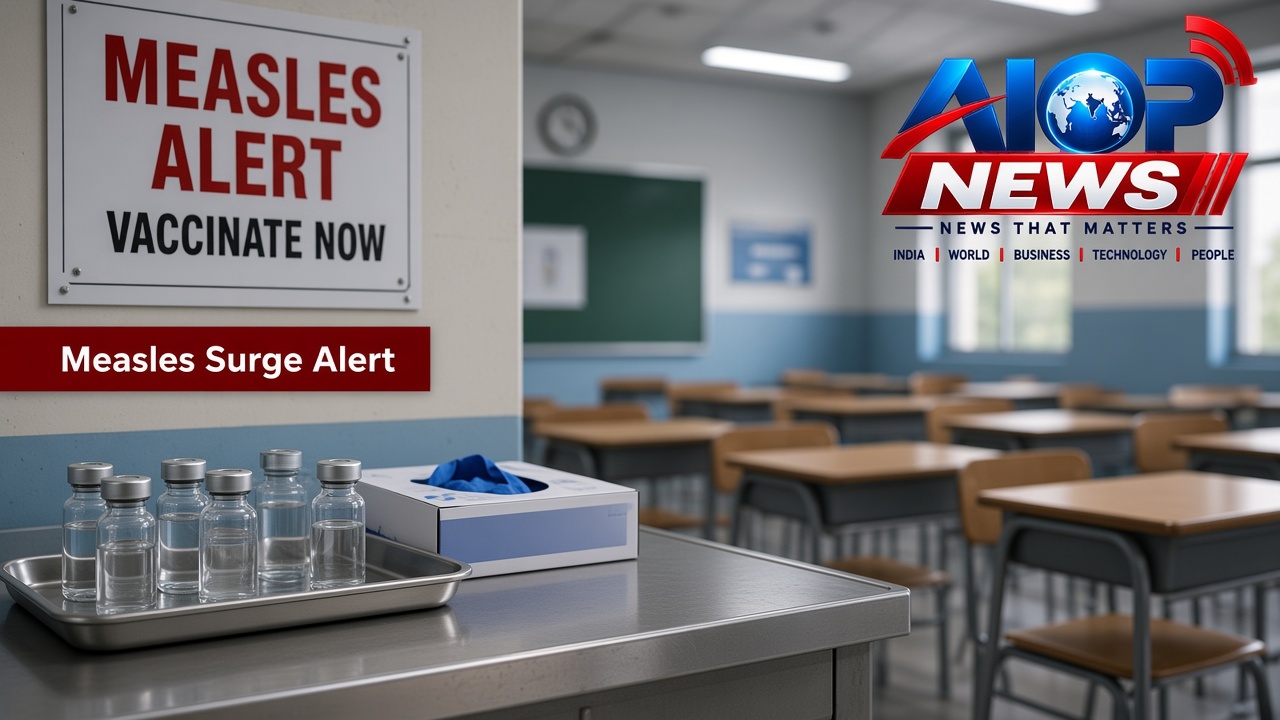
The dramatic spike in measles cases nationwide has alarmed public health officials and school leaders alike. Because measles spreads extremely easily through the air when an infected person coughs or sneezes, schools represent potential hotspots for rapid transmission among unvaccinated or under-vaccinated student populations. With case numbers exceeding anything seen in more than thirty years, the pressure on K-12 institutions to manage potential exposures has never been higher.
Key Steps for School Leadership and Staff
As detailed in recent reporting by Education Week, educational leaders must proactively evaluate their preparedness protocols. School nurses, administrators, and district officials are reviewing immunization records, coordinating with local public health departments, and preparing clear communication strategies for families.
Key areas of focus for school districts currently include:
- Immunization Audits: Ensuring student vaccination records are up to date and in compliance with state laws.
- Health Communication: Preparing informative guidelines for parents regarding symptoms, exclusion periods, and quarantine protocols if an exposure occurs.
- Collaboration: Maintaining open lines of communication with local health authorities to track regional outbreak trends.
Conclusion: Protecting the Learning Environment
The return of measles in unprecedented numbers over the last three decades serves as a stark reminder of the importance of robust public health measures in academic settings. By staying informed, enforcing vaccination policies, and collaborating closely with health experts, school leadership can help safeguard their students and staff against this preventable yet formidable health threat.