The Growing AI Divide in Modern Recruitment
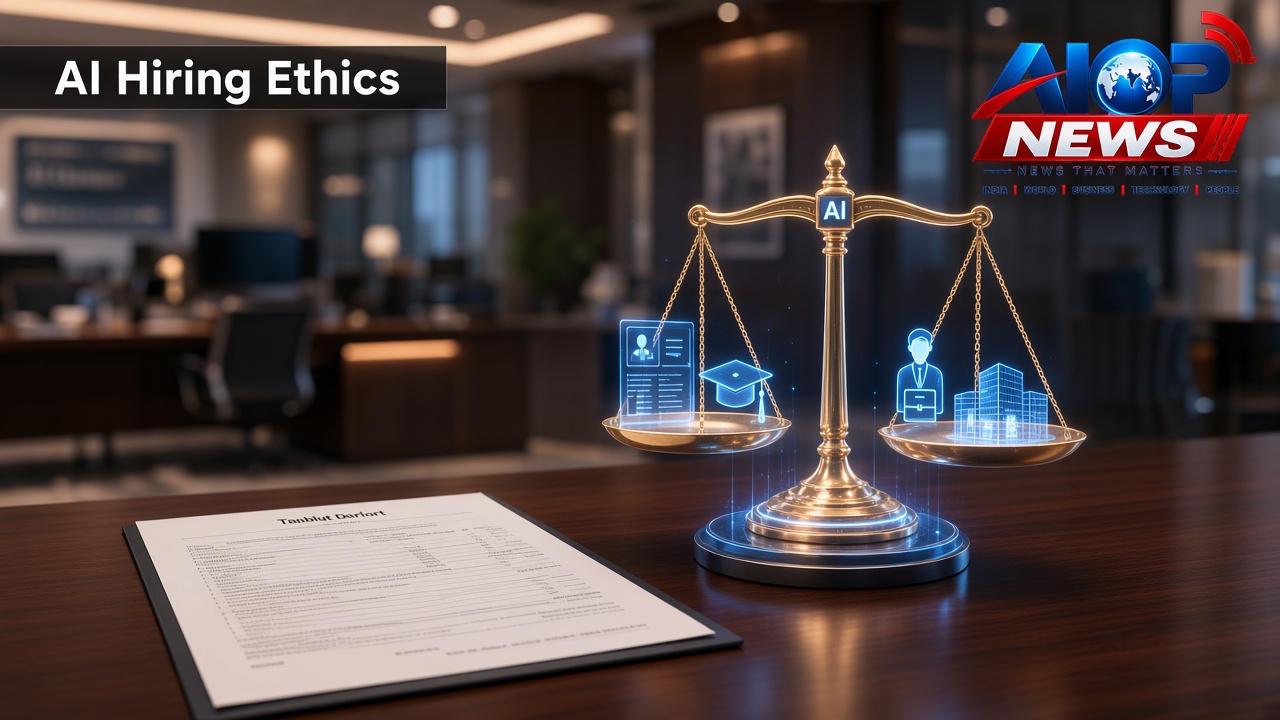
As the modern workplace continues to evolve, the integration of artificial intelligence into the hiring process has sparked intense debate. Recent research highlights a troubling trend: graduates are increasingly utilizing AI tools to misrepresent themselves in job applications, attempting to stand out in a hyper-competitive market. However, many applicants argue that their peer group feels they have no choice but to adopt these technologies to keep pace.
This dynamic raises critical questions about transparency, fairness, and trust in the contemporary Business landscape. To learn more about this developing story, read the original reporting on the BBC News website.
The Jobseeker's Perspective: Leveling the Playing Field
For many recent graduates entering the workforce, the pressure to secure employment is immense. With automated applicant tracking systems and AI-driven screening tools heavily utilized by corporations, jobseekers often feel outmatched. Consequently, some candidates turn to generative AI to craft resumes, cover letters, and even complete preliminary assessments. Supporters of this approach argue that applicants are simply utilizing the same technological advantages that companies have leveraged for years, effectively leveling the playing field in a difficult economy.
The Employer's Dilemma: Authenticity versus Efficiency
On the other side of the hiring desk, employers face their own set of challenges regarding artificial intelligence. While companies deploy AI to streamline recruitment, manage high volumes of applications, and identify top talent efficiently, the rise of AI-generated applicant material complicates the evaluation process. When candidates use technology to mask their true qualifications or misrepresent their skills, it becomes increasingly difficult for hiring managers to gauge genuine competence and cultural fit.
Looking Ahead: Finding a Sustainable Balance
The intersection of artificial intelligence and employment practices remains a grey area with few standardized guidelines. As research continues to shed light on how graduates and organizations adapt to these tools, industry stakeholders are forced to reevaluate recruitment norms. Whether through stricter verification processes or clearer ethical boundaries, the corporate world must find a sustainable balance that respects the capabilities of modern technology without compromising the integrity of the hiring process.