Landmark Ruling Challenges Ohio’s Education Funding Model
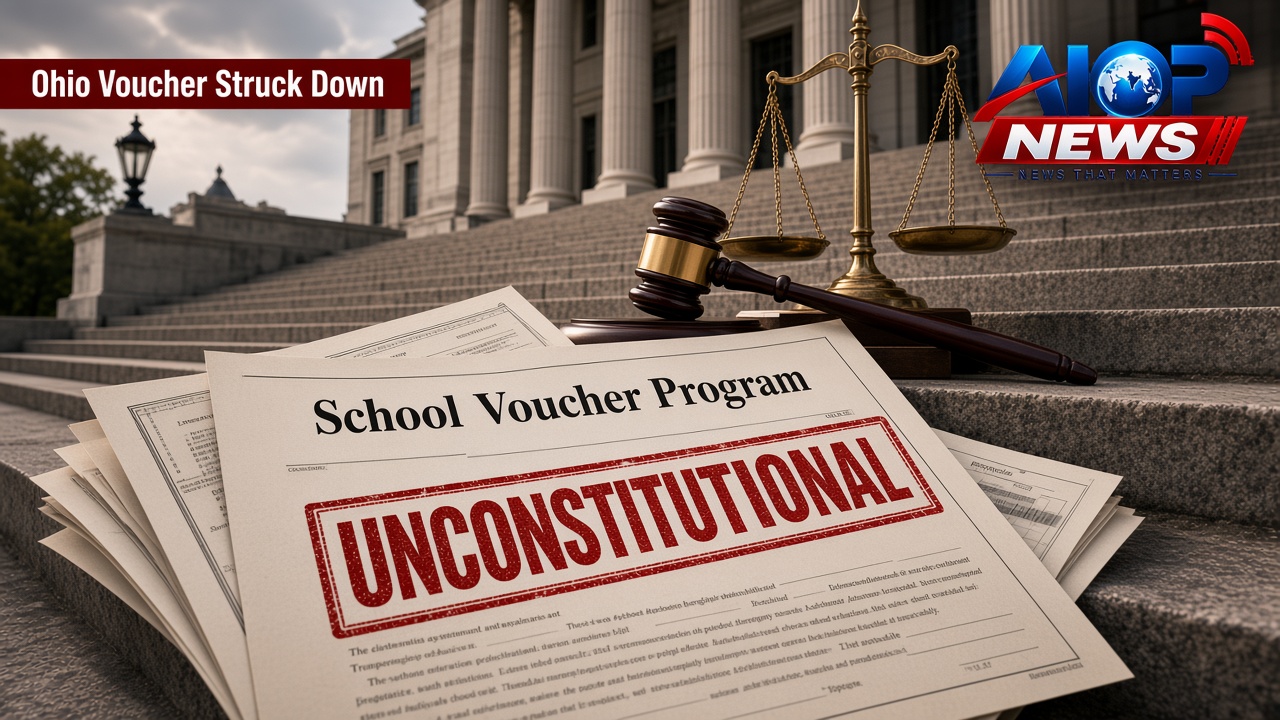
In a significant development for K-12 education, a state appellate court has declared Ohio’s school choice voucher program unconstitutional. The ruling, delivered on October 17, 2026, marks a pivotal moment in the ongoing legal and political debate over how public funds are utilized for private schooling. The court found that the current implementation of the voucher system directly harms the state’s public school infrastructure and fails to meet constitutional mandates.
The decision comes after years of scrutiny regarding the expansion of school choice initiatives in Ohio. Legal challenges brought before the court argued that the diversion of public taxpayer dollars to private institutions depleted the resources necessary to maintain a "thorough and efficient" system of common schools, as required by the Ohio Constitution. By siding with these arguments, the appellate court has cast doubt on the future of school choice programs that have been a cornerstone of recent state education policy.
The Impact on Public School Resources
Central to the court’s decision was the finding that the voucher program effectively undermines public education. The state appellate court noted that as more students utilized vouchers to attend private institutions, the resulting loss of per-pupil funding created a measurable deficit for public districts. This financial strain, the court concluded, prevents public schools from providing the level of service and quality guaranteed to every child under the state’s governing document.
For more insights into how state rulings affect national learning standards, readers can explore our latest coverage in the Education category. The ruling highlights a growing tension between the movement for education reform and the protection of traditional public institutions that serve the majority of the population.
Constitutional Violations and Legal Justification
The court’s legal reasoning focused heavily on the specific language of the Ohio Constitution. The judges determined that the voucher program created a secondary, parallel system of education funding that was not contemplated by the state’s founders. By prioritizing private choice over the collective health of the public system, the state was found to be in violation of its fundamental duties. This decision reinforces the principle that state-funded educational initiatives must first and foremost protect the integrity of the public school system.
Advocates for public education have hailed the ruling as a victory for school district stability. They argue that the decision will force a necessary re-evaluation of how the state supports its students, ensuring that public funds remain within the public sphere to benefit the widest possible range of learners. Conversely, supporters of school choice expressed concerns that the ruling could disrupt the education of thousands of students currently enrolled in private programs through the voucher system.
Future Implications for Education Policy
While the ruling is a major blow to voucher proponents, the legal battle is likely far from over. It is widely expected that the decision will be appealed to the Ohio Supreme Court. In the meantime, the ruling creates a period of uncertainty for families, educators, and legislators who must now grapple with the potential dissolution of a long-standing program.
The outcome of this case could serve as a precedent for other states facing similar legal challenges regarding school leadership and funding equity. As the state government reviews the court's findings, the focus will likely shift toward finding a legislative middle ground that satisfies constitutional requirements while addressing the demands of parents seeking alternative educational paths for their children.
Ultimately, the appellate court’s decision underscores a critical reality: the state’s primary obligation is to maintain a robust and well-funded public education system. As this story develops, it remains to be seen how the legislature will respond to the court’s mandate to protect public schools from financial harm.
Source: EdWeek
Concluding Summary
The state appellate court's ruling that Ohio's school choice voucher program is unconstitutional represents a definitive stance on the protection of public education funding. By identifying the direct harm caused to public schools, the court has prioritized constitutional obligations over private tuition subsidies. This decision not only impacts thousands of families in Ohio but also sets a significant legal benchmark for education reform across the United States. As the state moves toward a potential supreme court appeal, the focus remains on ensuring that all children have access to a quality education within a constitutionally sound framework.