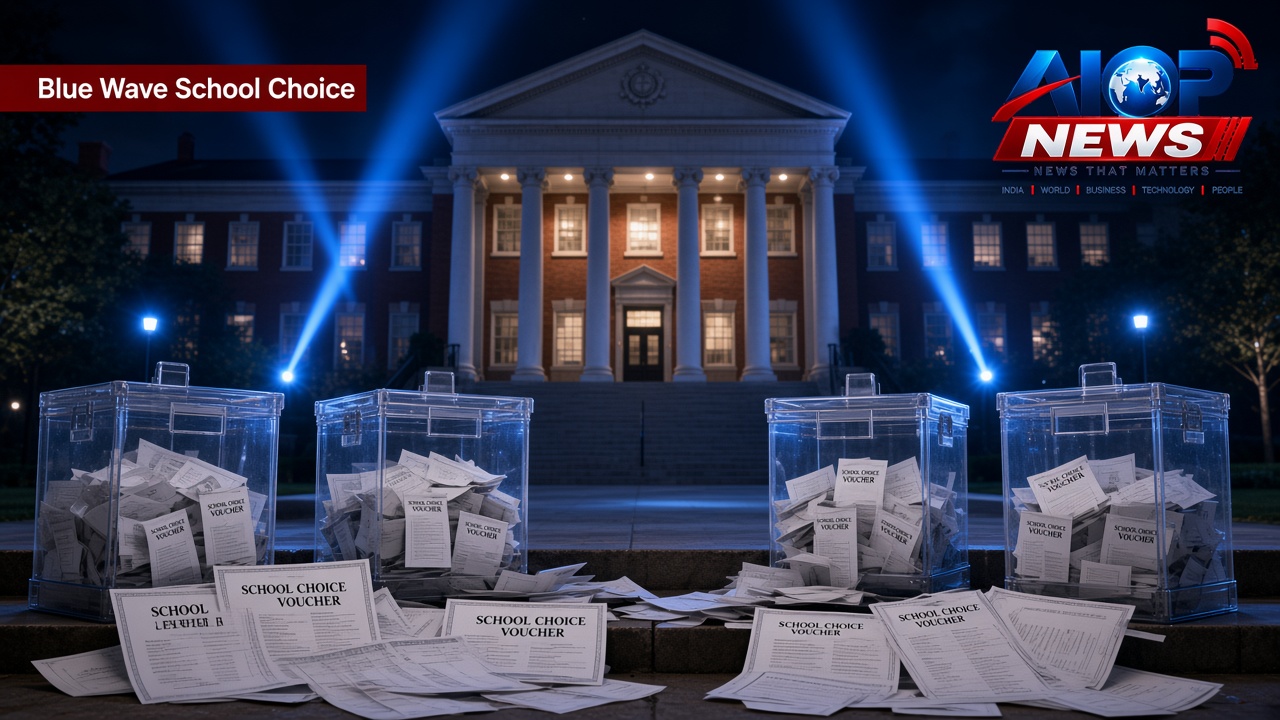
As political dynamics continue to evolve across the United States, the ongoing debate surrounding school choice remains a central issue in national policy discussions. A potential political shift toward Democratic leadership—often described as a "Blue Wave"—could significantly alter the trajectory of state and national education reforms. According to an opinion analysis published by Education Week, a Democratic electoral surge could slow the rapid momentum behind expanding school choice, even as already established programs demonstrate strong resistance to being dismantled.
Slowing Momentum for New School Choice Legislation
In recent legislative sessions, policy measures designed to broaden school choice—including vouchers, education savings accounts, and tax-credit scholarships—have seen substantial growth in numerous states. However, a significant realignment in political representation could create notable headwinds for proponents of these policies.
Democratic platforms traditionally place a strong emphasis on strengthening traditional public school systems and directing state educational funding toward public infrastructure. If Democratic lawmakers gain majorities or key executive offices, the legislative appetite for introducing brand-new school choice programs is expected to diminish. Rather than advancing bills that expand state-funded alternatives, legislative bodies under Democratic leadership are more likely to prioritize funding for public school resources, teacher pay increases, and enhanced regulatory oversight.
As a result, advocacy groups seeking to launch new initiatives or significantly expand existing funding caps may face increased legislative friction and fewer opportunities to pass sweeping legislation.
Why Established Programs Are Hard to Undo
While a shift in political power could slow down new legislative momentum, undoing or reversing educational programs that are already operational presents a far greater challenge for lawmakers. Historical precedents in state policy demonstrate that once educational options become active, they build systemic inertia that makes complete repeal very difficult.
There are several distinct reasons why existing school choice measures prove resilient despite political opposition:
- Constituent Reliance: Families who currently utilize vouchers or savings accounts rely on those funds for their children's ongoing education. Rescinding these programs creates immediate, direct disruptions for parents and students, making full repeal politically unpopular.
- Administrative Entrenchment: Once implemented, educational choice programs become integrated into state department operations, tax codes, and institutional frameworks, requiring complex legal and administrative efforts to undo.
- Broad Parent Support: Many families across various political demographics take advantage of available school options, generating localized support that transcends strict party lines.
Because of these operational and political realities, Democratic leaders seeking reform are more likely to focus on increasing regulation, establishing stricter accountability measures, or freezing program expansion rather than attempting full statutory repeals.
Navigating the Evolving K-12 Education Policy Landscape
The broader impact on the education sector reflects ongoing debates regarding public funding, academic accountability, and parental choice. As state governments weigh competing priorities, the long-term governance of K-12 systems will depend heavily on legislative balances of power.
What to Expect in Future Legislative Sessions
Moving forward, educational leaders and families can expect heightened debate surrounding public funding transparency and student performance metrics. Rather than an immediate reversal of existing policies, a political shift is most likely to produce a period of regulatory debate, where existing programs face deeper scrutiny while new expansions remain largely on hold.
Conclusion
In summary, while a major Democratic surge could decelerate the spread of new school choice laws, existing programs possess structural staying power that makes them difficult to dismantle. The future of K-12 policy will ultimately be defined by how lawmakers balance political priorities with the realities of entrenched educational programs.