The New Frontier of School Leadership
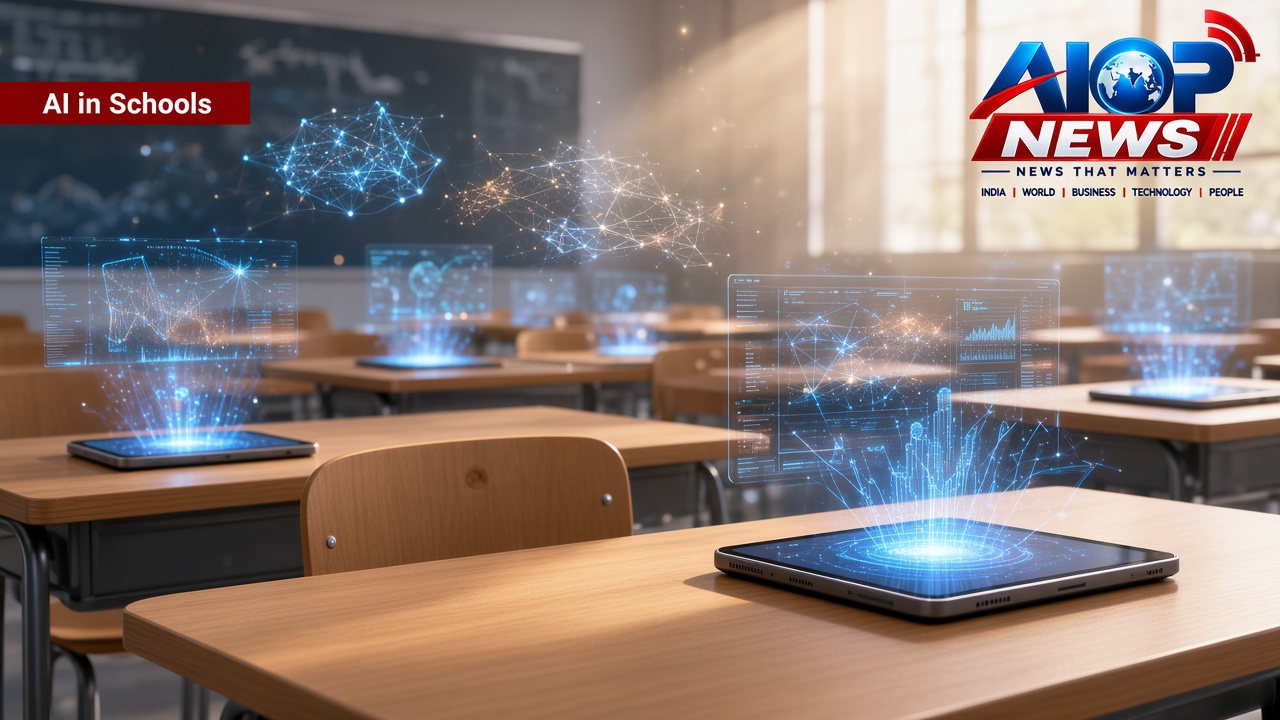
As the academic landscape continues to evolve, school administrators are seeking innovative solutions to age-old systemic problems. By October 15, 2026, the integration of Artificial Intelligence into administrative workflows has moved beyond a theoretical experiment, becoming a tangible tool for principals navigating the complexities of modern education.
While technology has long played a role in the classroom, the current wave of AI adoption is focused on operational efficiency and data-driven decision-making. According to recent reporting from Education Week, school leaders are leveraging these sophisticated tools to solve some of the most stubborn challenges facing K-12 systems today.
Reducing Student Absenteeism Through Data
One of the most significant barriers to student success is chronic absenteeism. Historically, tracking and intervening in attendance patterns has been a manual, time-consuming process for school staff. Today, principals are utilizing AI platforms to identify patterns in student attendance data much earlier than traditional methods allowed.
By processing vast amounts of data, these systems can flag at-risk students who may be trending toward chronic absenteeism. This allows administrators and counselors to proactively reach out to families, providing the necessary support before the issue becomes a systemic failure for the student. This shift from reactive crisis management to proactive intervention is a cornerstone of the modern approach to education reform.
Optimizing Teacher Goals and Professional Growth
Beyond student attendance, AI is also reshaping how school leaders approach faculty development. Setting meaningful, achievable teacher goals is a delicate balance of individual needs and institutional objectives. AI tools now assist principals in analyzing instructional trends and student outcome data to provide personalized feedback for educators.
By automating the administrative burden of tracking performance metrics, school leaders can dedicate more time to mentorship and collaborative goal-setting. This ensures that teacher evaluation is not merely a box-ticking exercise, but a strategic effort to improve classroom effectiveness and student engagement. The goal is to create a more supportive environment where teachers feel empowered to grow throughout their careers.
The Road Ahead for AI in Education
The successful implementation of these tools does not imply that technology will replace the human element of school leadership. Rather, principals are using AI to clear the path of administrative clutter, allowing them to refocus on their primary mission: fostering a safe, effective, and encouraging environment for learning.
As school districts continue to integrate these technologies, the focus remains on ethical implementation and data privacy. By automating routine analysis, educational technology is proving to be an essential ally in tackling persistent systemic issues, from student engagement to faculty development. The future of school management is increasingly digital, and for many leaders, that shift is already driving measurable progress.
Summary: A Strategic Shift
The integration of AI into school operations represents a promising shift in how districts handle large-scale challenges. By enhancing the ability to monitor student attendance and refine teacher goal-setting processes, artificial intelligence is providing principals with the insights needed to improve school outcomes. As of late 2026, the technology is demonstrating its potential to serve as a vital support system for educators and administrators alike.