The Double-Edged Sword of EdTech in Modern Classrooms
As of October 2026, the intersection of specialized instruction and digital innovation has become a critical focal point for educators worldwide. In the realm of Education, the integration of technology has transformed how students access information, yet for English Learners (ELs) with disabilities, this evolution is particularly complex. Recent analysis, as highlighted by Education Week, underscores a significant divide: digital tools can either serve as a bridge to academic engagement or a barrier that deepens social and learning isolation.
Leveraging AI for Meaningful Engagement
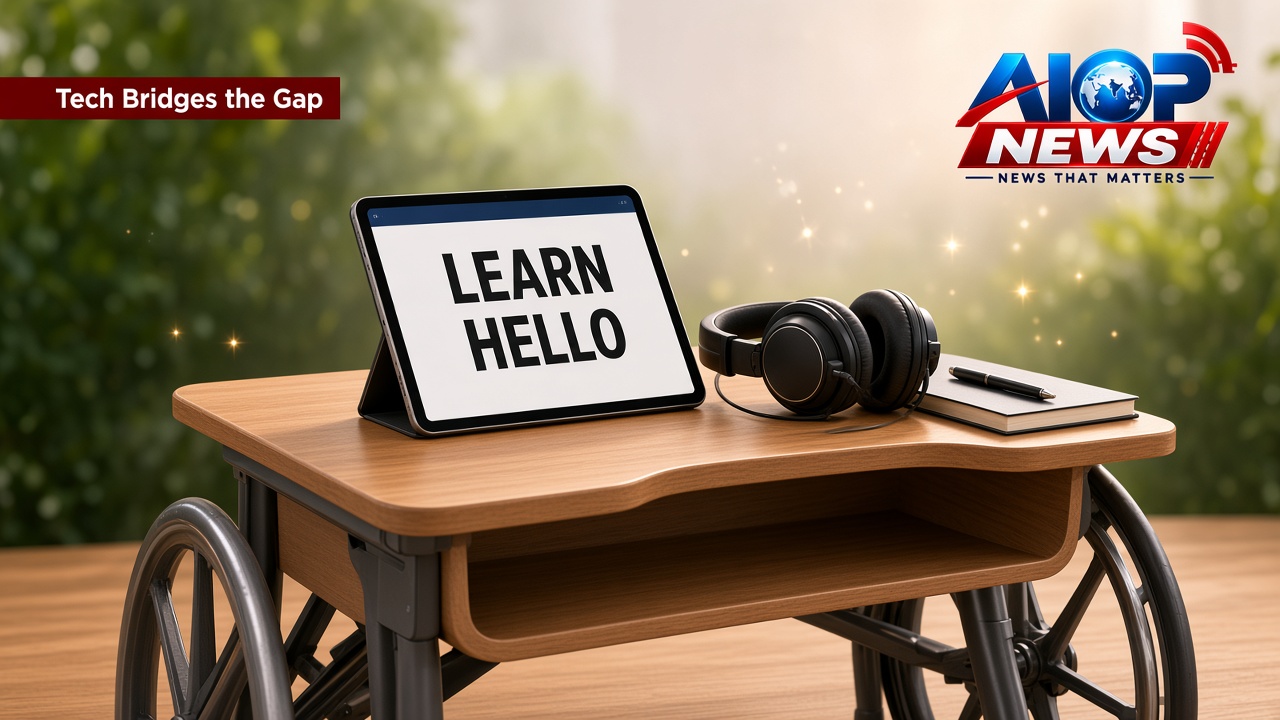
For many students, AI-powered tools and specialized devices provide a lifeline to the curriculum. These technologies offer personalized scaffolding, allowing students to bridge language gaps while simultaneously addressing unique learning needs. When used effectively, these tools can bolster student confidence, providing immediate feedback and adaptive content that meets the individual at their specific proficiency level.
Key benefits of inclusive technology include:
- Personalized Pacing: Adaptive software allows students to work through materials at a speed that respects their cognitive and linguistic processing times.
- Accessible Interfaces: Speech-to-text and text-to-speech features help bypass traditional physical or linguistic barriers to entry.
- Multimodal Learning: Visual and auditory aids ensure that content is delivered in formats that cater to diverse learning styles.
The Risks of Over-Reliance and Isolation
Despite the clear advantages, researchers and advocates caution that technology is not a universal panacea. There is a tangible risk that an over-reliance on digital devices can inadvertently isolate English learners with disabilities from their peers. When a student spends the majority of their instructional time interacting with a screen rather than engaging in peer-to-peer discourse, they may miss out on critical social-emotional development and the organic language acquisition that occurs through collaborative learning.
Experts note that for technology to be truly beneficial, it must be viewed as a supplement to—not a replacement for—human-led instruction. The danger lies in "technological silo-ing," where a student is left to navigate complex academic subjects in isolation, detached from the classroom community. The goal for school leadership must be to balance these tools with a curriculum that prioritizes human interaction and classroom participation.
Strategic Implementation in Schools
To navigate these challenges, educators are encouraged to adopt a balanced approach. Technology should be deployed with specific instructional goals in mind, ensuring that every digital tool serves to augment the teacher’s role rather than supplant it. Advocacy groups emphasize that teacher training remains a vital component of this transition. Educators need to understand not only how to use specific platforms but how to ensure those platforms foster inclusion.
Conclusion: A Human-Centered Approach
The promise of AI and assistive devices in the classroom is immense, yet the human element remains the heartbeat of effective instruction. By remaining vigilant about the risks of isolation and focusing on how these tools facilitate connection, schools can ensure that English learners with disabilities are empowered rather than excluded. As the landscape of educational technology continues to evolve, the priority must remain on creating environments where every student has the tools they need to succeed and the social support to thrive.