Bridging the AI Divide in Modern Classrooms
As of October 2026, the integration of artificial intelligence in schools continues to be a hot-button issue for administrators and teachers alike. A common narrative has taken root in staff rooms across the country: the belief that students are 'digital natives' who inherently understand AI better than the educators guiding them. However, relying on this assumption may be a disservice to the learning process.
While students may be proficient at using generative tools for quick assignments, their conceptual grasp of the technology often remains shallow. For a deeper dive into current instructional strategies, visit our Category: Education hub to see how pedagogical standards are evolving alongside emerging tech.
Four Critical Misconceptions Students Hold About AI
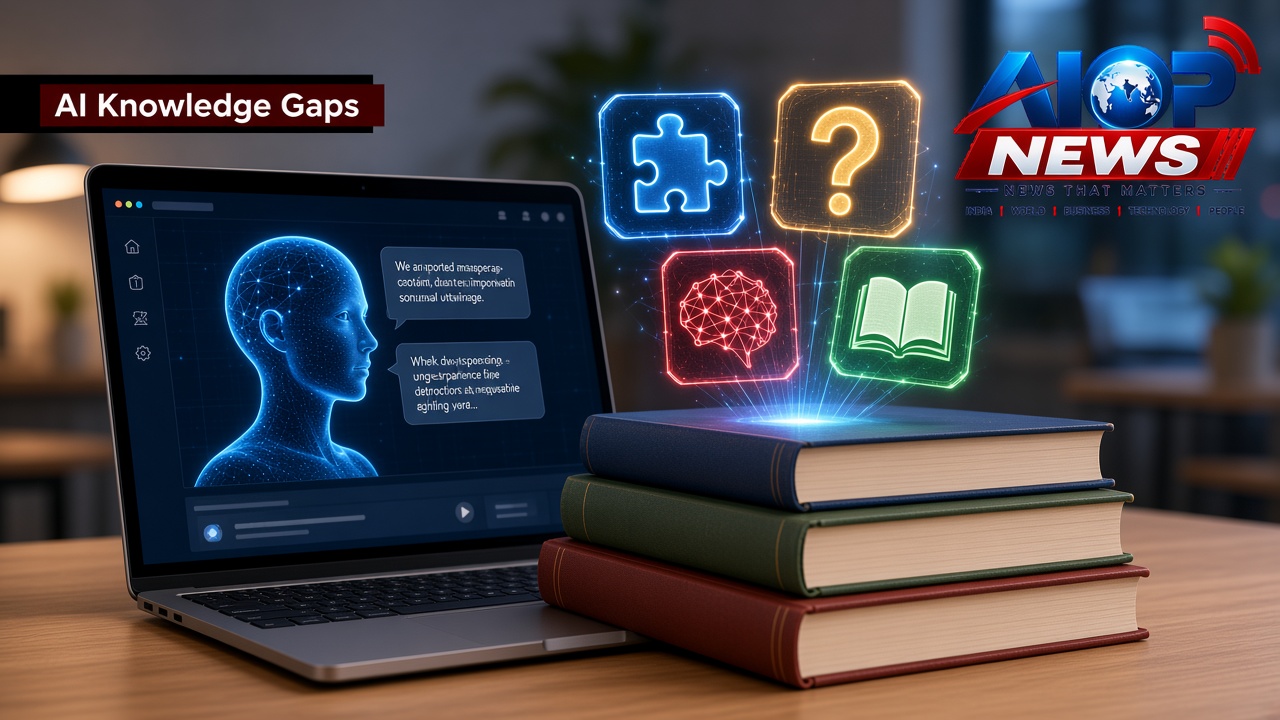
According to recent insights published in Education Week, there are four fundamental areas where students frequently stumble. Even tech-savvy learners often lack a formal understanding of how these systems function beneath the surface.
1. The Reality of Data Literacy
Students often treat AI outputs as objective facts rather than probabilistic text generated from vast datasets. They may not grasp that AI models can inherit biases from their training data or that they lack a "source of truth" in the traditional sense.
2. The Illusion of Intelligence
Many learners anthropomorphize AI, assuming the machine possesses reasoning capabilities or consciousness. Helping students distinguish between a sophisticated pattern-matching algorithm and human cognition is a vital part of modern critical thinking skills.
3. The Mechanics of Privacy and Ethics
While students are comfortable using AI interfaces, they often lack a clear understanding of how their input data is stored, processed, or used to further train models. Digital citizenship curricula must now expand to include the nuances of AI ethics and data privacy.
4. Understanding Limitations and Hallucinations
The propensity for AI to "hallucinate" or provide confident, incorrect answers is a concept students frequently overlook. Teaching students to verify AI-generated content through primary sources remains a pillar of effective academic research.
How Educators Can Intervene
Rather than feeling intimidated by the pace of change, teachers are encouraged to position themselves as facilitators of critical inquiry. By explicitly addressing these four gaps, educators can move students from passive consumption of AI tools to active, informed usage.
Actionable steps include:
- Incorporating "AI audit" assignments where students attempt to debunk AI-generated responses.
- Discussing the ethical implications of data training in history or social studies classes.
- Promoting transparency regarding the limitations of technology rather than banning its use entirely.
Conclusion: Reframing the Educator's Role
The rapid rise of AI in the classroom does not render the teacher obsolete; instead, it elevates the need for expert guidance in media literacy and ethical reasoning. By recognizing that student "fluency" with AI tools is not the same as "AI literacy," teachers can provide the necessary scaffolding to help students navigate an increasingly automated world. It is time to move past the misconception that students know everything about the tools they use and reclaim the role of the mentor in the digital age.