Bridging the Language Gap in Modern Schools
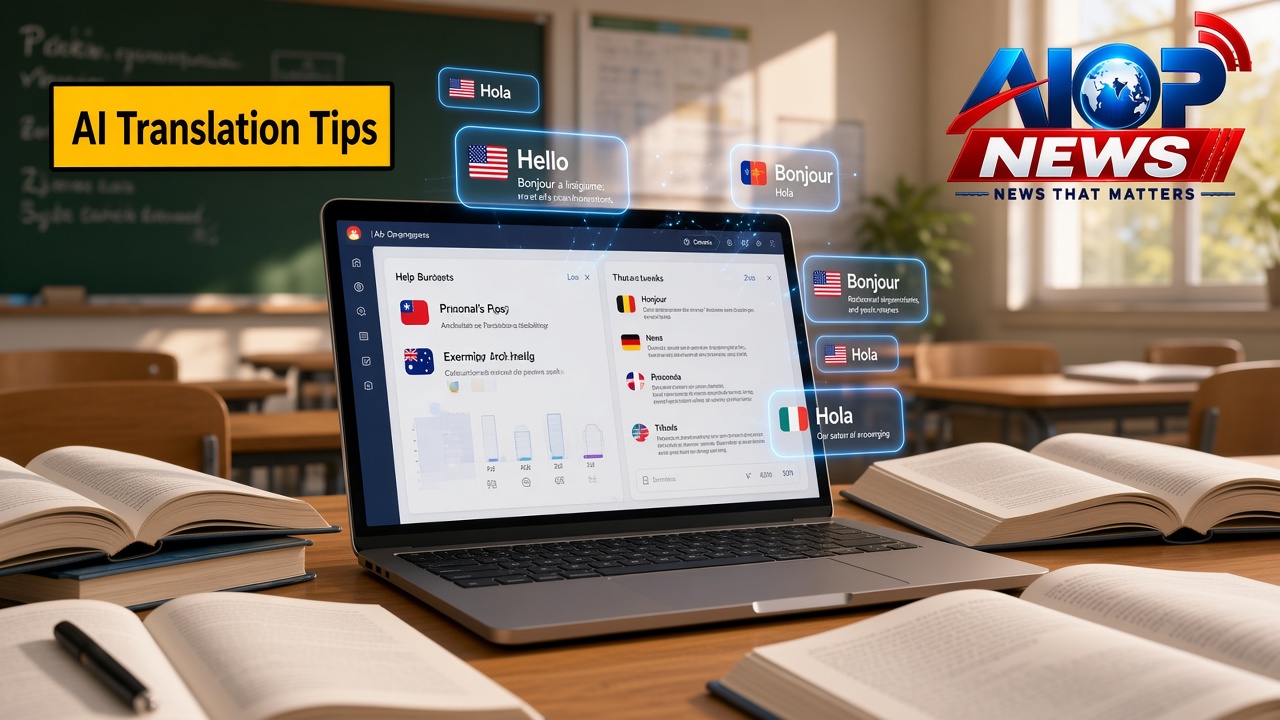
Effective communication between schools and families is critical for student success. As diverse populations continue to grow within the education sector, educational institutions are increasingly turning to technology for solutions. Artificial intelligence translation apps offer a promising way to connect with non-English-speaking families, breaking down historical communication barriers. However, while these tools are powerful, they are far from perfect and require careful implementation.
According to recent insights highlighted by Education Week, schools must approach artificial intelligence translation with a balanced perspective. Below are six key tips for schools utilizing AI translation tools to engage with their communities.
6 Tips for AI Translation in Schools
1. Recognize the Limitations
The primary rule of utilizing AI translation is understanding that the technology is imperfect. Automated tools can struggle with nuance, local dialects, cultural context, and complex educational terminology. Educators should treat AI translations as a helpful starting point rather than a flawless final product.
2. Prioritize Critical Communications
Not all school messages carry the same weight. Schools should exercise extreme caution when using AI translation for high-stakes information, such as special education meetings, disciplinary hearings, or critical health updates. For these important matters, human translators remain the gold standard.
3. Maintain Human Oversight
Technology should complement, not replace, human connection. Whenever possible, bilingual staff members or professional translators should review AI-generated translations before they are sent out to families. This extra layer of review helps catch glaring errors that could cause confusion or miscommunication.
4. Provide Feedback Channels
Schools should establish clear communication channels that allow families to report translation errors or misunderstandings. Creating an open dialogue ensures that non-English-speaking parents feel heard and helps school staff identify recurring issues with specific software tools.
5. Educate Staff on Best Practices
Teachers and administrators need proper training on how to use translation apps effectively. Staff members should learn about the specific strengths and weaknesses of the tools their district adopts, ensuring they write clearly and avoid overly complex idioms that confuse algorithms.
6. Keep Data Privacy in Mind
When inputting school announcements or family communications into translation platforms, educators must remain vigilant about data privacy and student confidentiality. Schools should only utilize approved, secure software that complies with relevant privacy regulations.
Conclusion
Artificial intelligence translation apps represent a valuable asset for schools striving to build stronger connections with non-English-speaking families. By acknowledging that these tools are far from perfect and implementing thoughtful safeguards, educational leaders can foster a more inclusive and communicative school environment for all students and parents.