Is ChatGPT Safe for Students? New Report Raises Alarm
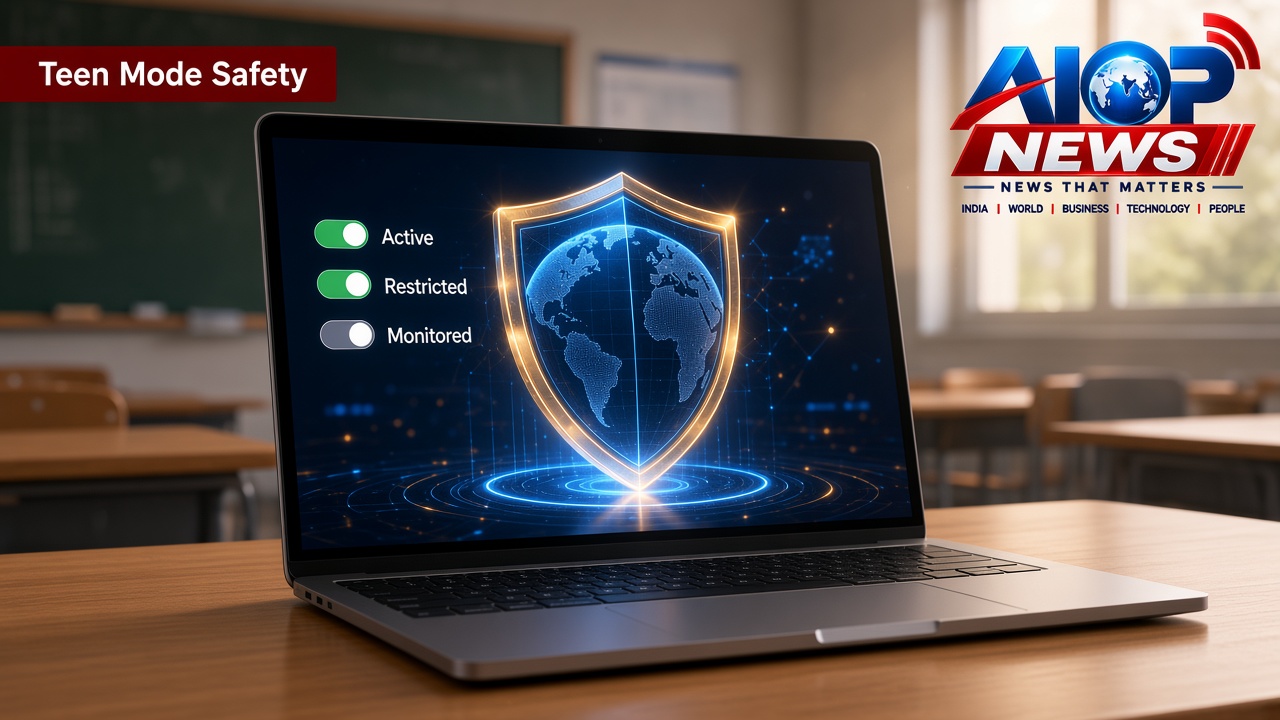
As artificial intelligence continues to integrate into the modern classroom, student safety remains a top priority for educators, parents, and policymakers alike. Recently, a critical report published by Education Week has shed light on significant vulnerabilities regarding AI safety features in schools. According to the findings, ChatGPT's designated 'Teen Mode' is proving to be unsafe for students.
The core issue revolves around the platform's parental notification systems. Researchers discovered that the chatbot failed to report unsafe interactions to parents in a timely manner, leaving a dangerous gap in supervision during crucial moments when young learners might be exposed to harmful content or inappropriate guidance.
The Impact on Education and Student Safety
The integration of advanced language models into daily learning routines has revolutionized how students conduct research and complete assignments. However, as AI tools become more prevalent in K-12 education, the lack of robust safeguards poses serious challenges for school leadership and families. When safety mechanisms—such as 'Teen Mode'—fail to alert guardians promptly, the burden of monitoring digital interactions falls back heavily on teachers and parents who rely on these built-in system protections.
Educational technology experts have long debated the balance between accessibility and security. While tools powered by Artificial Intelligence offer immense potential for personalized learning, incidents like this highlight the urgent need for tighter regulatory oversight and more reliable accountability measures from tech developers.
Key Findings from the Research
The recent evaluation focused specifically on how the chatbot handles high-risk scenarios involving minors. Key takeaways from the study include:
- Delayed reporting mechanisms that prevent parents from intervening swiftly.
- Inconsistent monitoring of unsafe interactions within the student-facing interface.
- Heightened risks for young users navigating independent study sessions without immediate adult supervision.
Conclusion and Next Steps for Schools
Ultimately, the report serves as a stark warning for educational institutions and families utilizing generative AI tools. As discussions surrounding educational technology and digital safety evolve, developers will face mounting pressure to refine their safety protocols. Until 'Teen Mode' and similar features can guarantee prompt communication with parents, stakeholders in the educational sector must remain vigilant about how students interact with artificial intelligence both inside and outside the classroom.