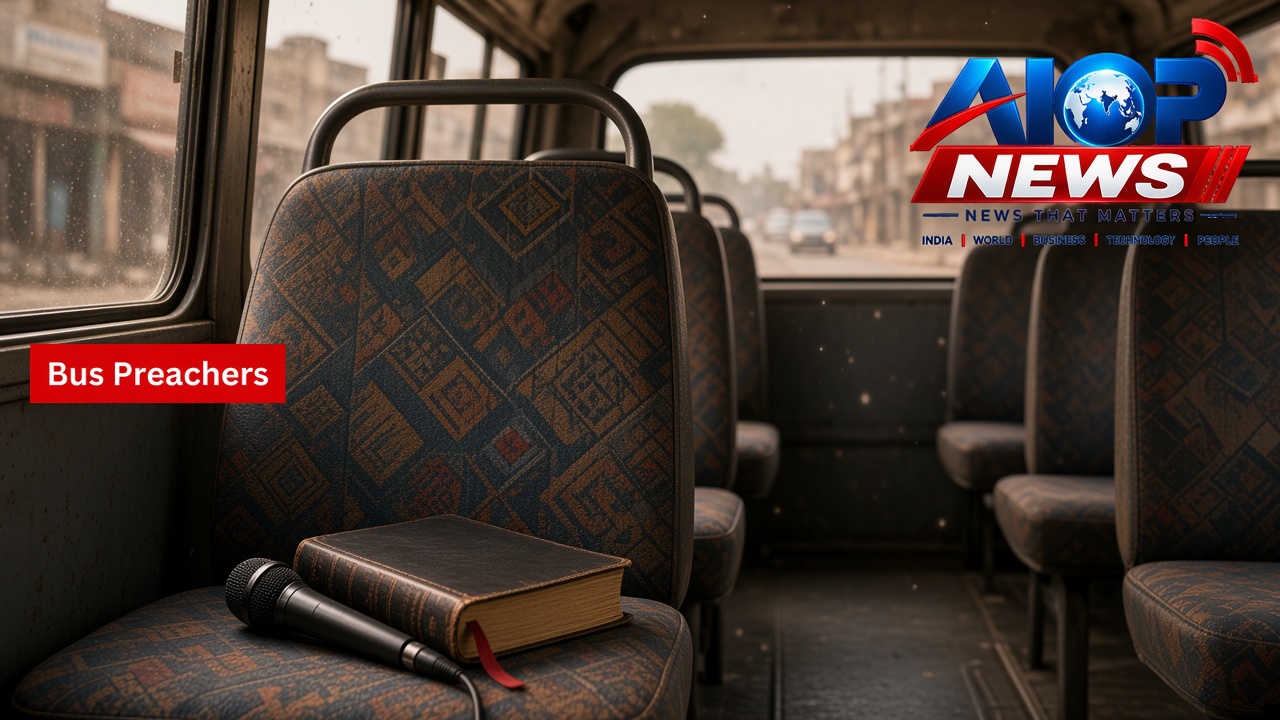
The End of an Era for Ghana's Mobile Preachers?
For millions of commuters in Ghana, boarding a trotro (public minibus) or a long-distance coach is rarely a silent affair. Passengers are routinely greeted not just by the hum of the engine and the conductor's calls for fare, but by the booming, impassioned voice of a traveling pastor delivering an impromptu sermon. However, this ubiquitous cultural and religious staple could soon become a thing of the past.
Rising concerns over passenger comfort, noise pollution, and safety regulations are prompting a quiet revolution in Ghana's transport sector. As transport unions and local authorities weigh new rules, the days of captive congregations on public transport may be numbered.
Balancing Faith, Noise, and Passenger Comfort
Ghana is a deeply religious nation where expressions of faith are woven into daily life. For years, bus preaching has been accepted—and often welcomed—as a normal part of the public sphere. Preachers use these mobile platforms to spread spiritual messages, sometimes asking for donations at the end of their spirited sessions.
However, opinions are shifting. A growing segment of commuters has expressed frustration over the lack of personal space and the unavoidable volume of these sermons, especially after a long, exhausting workday. For tourists and international travelers navigating the bustling streets of Accra, the sudden outbursts can be particularly overwhelming. This domestic debate mirrors similar international conversations about noise control, public etiquette, and the regulation of commerce and religion in shared public transit spaces worldwide.
Transport Unions Step In
Transport unions, which wield significant influence over Ghana’s massive informal transit network, are under increasing pressure to standardize the commuting experience. Discussions are underway to introduce stricter codes of conduct across major bus terminals and routes. While complete bans may be difficult to enforce immediately, tighter regulations on unauthorized solicitation and noise-making are gaining serious momentum.
Furthermore, transport authorities point out safety concerns. Distractions inside the vehicle, particularly those involving heated religious debates or emotional appeals, can sometimes interfere with the driver's focus and the general order required on busy highways.
A Shift in How Faith is Shared
The potential silencing of bus preachers does not mean a decline in Ghana’s vibrant religious landscape. Instead, it highlights a transition in how messages are consumed. With the rapid rise of digital media, smartphones, and social platforms, religious leaders are increasingly moving their outreach online rather than relying on physical public transit spaces.
According to a recent report by the BBC, available via BBC News, the changing dynamics of urban mobility are forcing traditional practices to adapt to modern realities. Commuters may soon find themselves enjoying a quiet ride, while pastors pivot to podcasts and social media broadcasts.
Conclusion
The potential end of bus preaching in Ghana marks a significant cultural crossroads, balancing deeply rooted traditions of public faith against the modern demands for peace, quiet, and regulation in urban transit. As transport unions move closer to implementing new rules, Ghana’s iconic mobile sermons may soon transition from the physical buses of Accra to the digital airways of the internet.