The Promise of Seamless Solar Integration
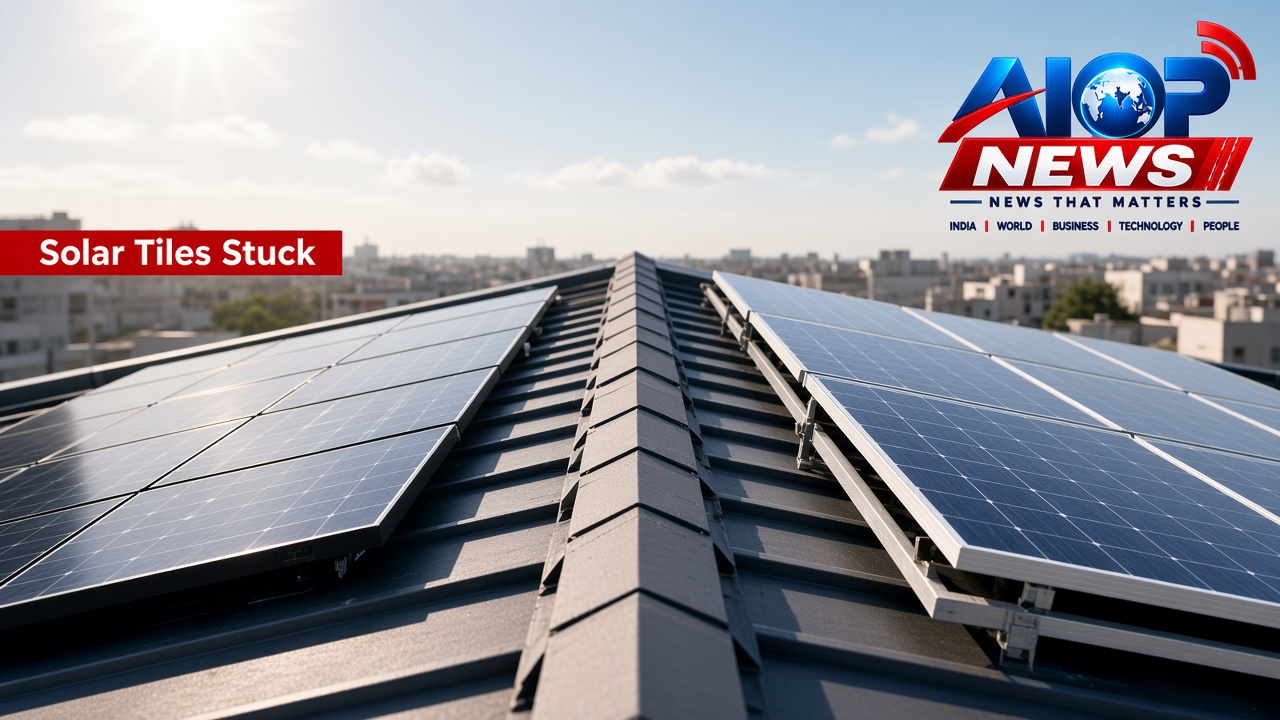
For years, the renewable energy sector has been buzzing with the promise of solar tiles—a technology designed to replace traditional roofing materials with energy-generating cells that look nearly identical to standard shingles. These products were touted as a more attractive alternative to the bulky, raised solar panels that currently dominate the market. Yet, as we move through 2026, many industry experts are asking: why haven't they taken off?
According to reports, including recent insights published by BBC News, the integration of solar technology into building materials remains a niche segment of the broader Technology landscape. While the visual appeal of a roof that generates electricity without the "bolted-on" look of conventional panels is clear, the path to mass-market adoption has been far more complex than anticipated.
Understanding the Barriers to Adoption
Cost and Installation Complexity
One of the primary factors limiting the growth of solar tiles is the significant financial and logistical barrier to entry. Unlike traditional solar panels, which can be easily installed on top of an existing, functional roof, solar tiles often require a complete roof replacement. This makes them a viable option primarily for those building new homes or those already due for a major roofing overhaul. The upfront capital expenditure required for such a system often far exceeds that of a standard solar array.
The Efficiency and Scalability Gap
While the aesthetics of solar tiles are widely praised, the technology faces challenges regarding efficiency and scalability. Traditional solar panels have benefited from years of rapid innovation, resulting in highly efficient, mass-produced units that are relatively affordable for the average homeowner. Solar tiles, by contrast, remain a more specialized product. The engineering required to waterproof and protect solar cells while ensuring they function as structural roofing materials has proven to be a difficult and costly hurdle for manufacturers to clear.
The Future of Building-Integrated Photovoltaics
The concept, known in the industry as Building-Integrated Photovoltaics (BIPV), remains an area of interest for sustainable architecture. However, until the cost of production decreases and the installation process becomes more accessible, these systems are likely to remain an premium product for luxury properties rather than a standard feature in residential housing. As manufacturing techniques improve and economies of scale begin to take effect, the conversation may shift, but for now, traditional panels remain the clear winner for consumers looking for a swift return on their renewable energy investment.
Conclusion
While solar tiles represent a vision of a sleek, energy-independent future, they face significant hurdles that prevent them from displacing traditional solar panels. High costs, complex installation requirements, and the established efficiency of current photovoltaic technology mean that, for now, the aesthetic dream of "hidden" solar power remains out of reach for most homeowners. As the green energy market continues to evolve, it remains to be seen whether technological breakthroughs can bridge the gap between form and function.