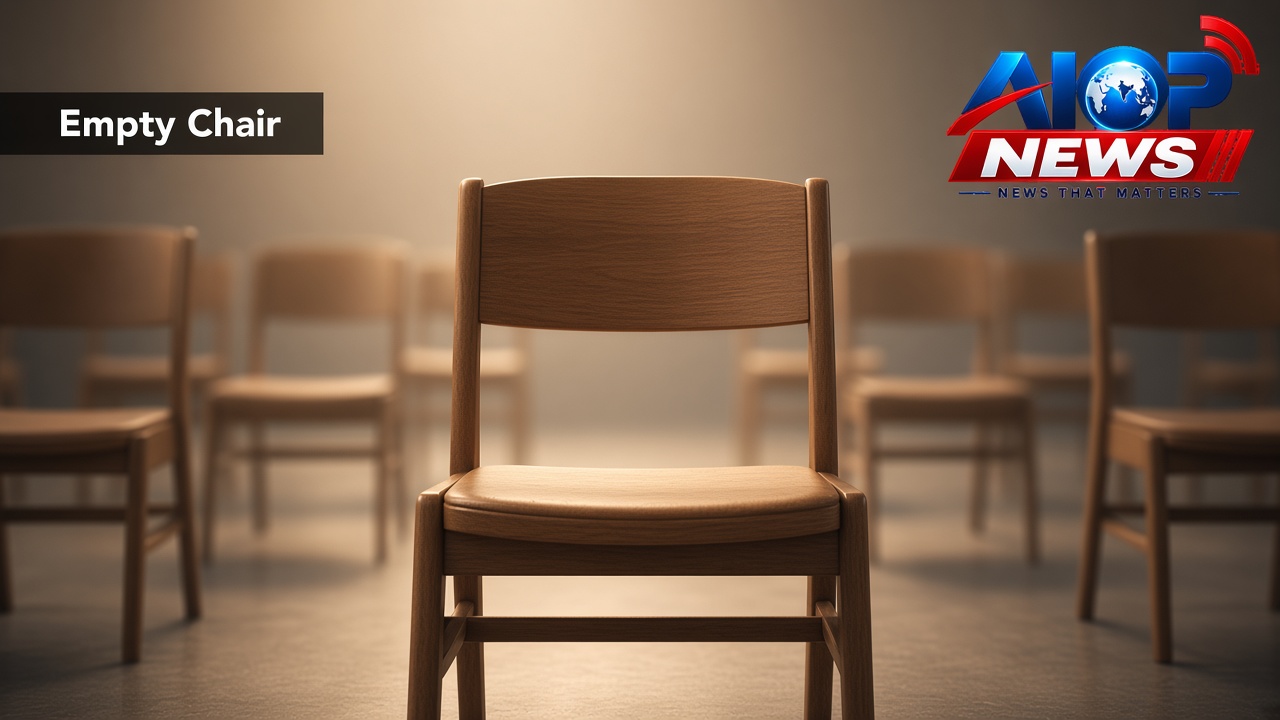
How the Empty Chair Movement is Transforming Mental Health Conversations
In a world increasingly dominated by digital interaction, the physical experience of loneliness has become a silent epidemic. However, a creative new initiative is turning to a humble, everyday object—the empty chair—to change the way we approach mental health and social belonging. By placing empty chairs in public spaces, organizers are providing a visual representation of the 'missing' connections that many people feel in their daily lives.
This movement, which has gained significant traction, encourages individuals to sit, reflect, and engage in dialogue. It serves as a stark reminder that while we may be surrounded by people, we are not always truly connected. You can learn more about the latest innovations in well-being by visiting our Category: Health page.
The Psychology Behind the Symbolism
Psychologists have long argued that physical environment plays a critical role in our emotional well-being. An empty chair serves as a 'pro-social' prompt. It invites someone to take a seat, which in turn invites someone else to approach. It breaks the barrier of the 'busy life' mentality that often prevents us from stopping and checking in on others.
According to reports recently featured on BBC News, these installations have proven effective in urban areas where residents often feel isolated despite high population density. By providing a designated space for reflection, the initiative allows individuals to process their feelings in a safe, non-judgmental environment.
Breaking Down Barriers to Mental Wellness
For many, the hardest part of managing mental health is simply starting the conversation. The empty chair acts as a neutral party—a silent listener. It is a powerful tool for community engagement that encourages:
- Active Listening: Taking the time to sit and be present.
- Empathy: Acknowledging that someone else may be searching for connection.
- Awareness: Bringing the reality of loneliness into the public consciousness.
When communities prioritize these small, intentional interactions, they create a 'culture of care.' This shift is essential for proactive mental health support, moving away from crisis management and toward preventative connection.
Why Public Spaces Matter for Mental Health
Urban planning and public space design are often overlooked when discussing psychological health. The 'Empty Chair' initiative highlights that our surroundings can either foster or hinder social bonding. Creating 'pause points' in busy cities gives people permission to stop, breathe, and interact—simple actions that have a profound impact on reducing stress and anxiety levels.
Conclusion: Small Steps Toward Greater Connection
The empty chair movement is a beautiful example of how simple, low-cost interventions can address complex human issues. By encouraging us to pause, reflect, and invite others into our space, this initiative is fostering a more compassionate society. Whether it is through a physical chair in a park or a metaphorical space in our daily schedules, making room for others is a vital component of a healthy, connected life. As we continue to navigate the challenges of modern living, prioritizing these human-centric moments will remain key to improving our collective mental health.