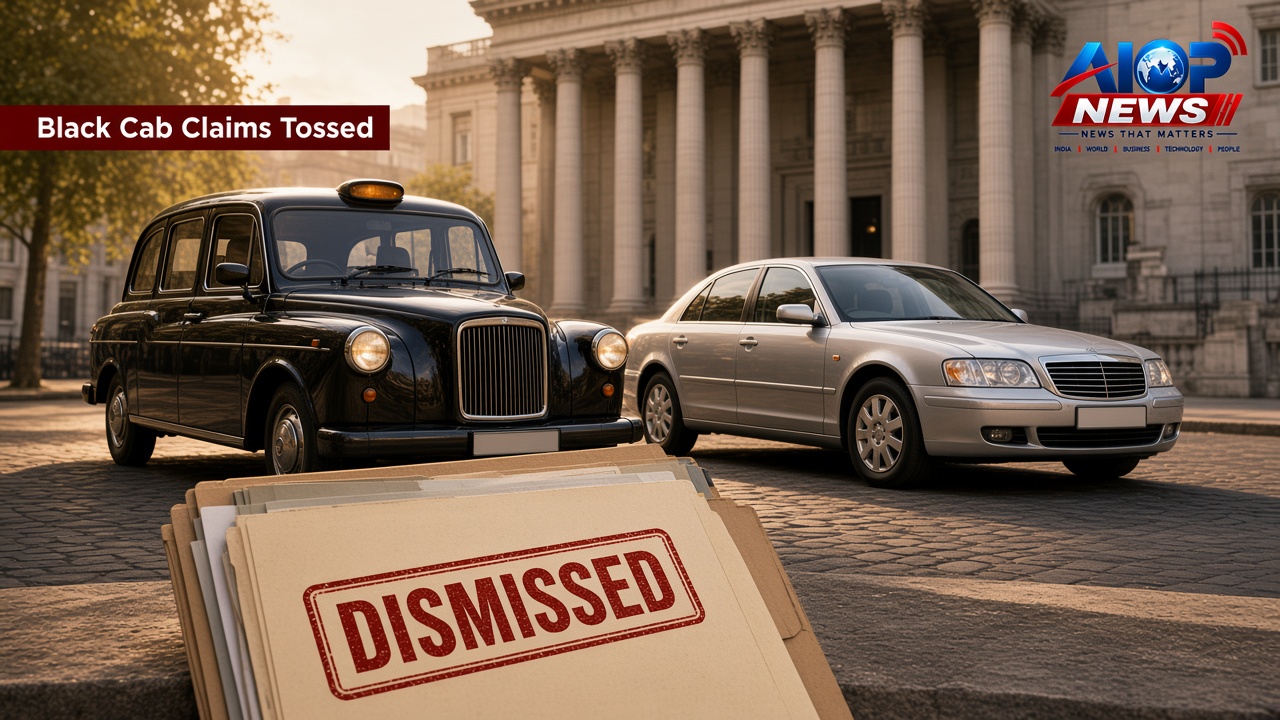
Uber Scores Landmark Legal Win in London
Ride-hailing giant Uber has secured a major legal victory after a court upheld its bid to throw out a massive £200 million compensation claim from London's traditional black cab drivers. The high-stakes legal battle centered on allegations that the digital platform had misled Transport for London (TfL) when securing its operating licenses.
The legal challenge, which threatened the company with substantial financial liabilities, ultimately collapsed not on its core merits, but due to a crucial legal timeline issue. For more updates on digital platforms and digital disruption, visit our Technology section.
Why the Claims Were Dismissed
According to the details of the ruling, the substantial claims brought forward by the black cab trade were entirely thrown out by the court because they were filed far too late. Legal limitations and strict procedural deadlines played a decisive role in the judge's decision to dismiss the case before it could proceed to a full trial over the alleged misleading statements made to TfL.
The decision provides significant relief for the tech company, allowing it to bypass a potentially damaging multi-million-pound courtroom showdown in the UK capital.
Impact on the Urban Transport Landscape
This court ruling marks a critical chapter in the ongoing regulatory and legal friction between traditional transport services and modern ride-sharing applications. The decision effectively closes the door on this particular avenue of financial redress sought by London cabbies.
As the legal framework surrounding digital transit apps continues to evolve, this case highlights the vital importance of strict legal timeframes when bringing corporate accountability actions. Further details regarding the case's origins can be found in the original reporting by the BBC.
Conclusion
Ultimately, Uber's successful bid to dismiss the £200 million black cab claims shields the company from a massive financial penalty. By ruling that the claims were brought too late, the court has brought a definitive end to this particular legal challenge, reinforcing the significance of procedural timelines in major commercial litigation.