The Promise and Peril of AI in Language Learning
As artificial intelligence continues to transform modern classrooms, educators face a delicate balancing act. Integrating technology into language instruction can provide unprecedented support, but it also introduces the risk of cognitive offloading—a phenomenon where students rely so heavily on tools to do the thinking for them that deep learning fails to occur. For English learners (ELs), this challenge is particularly acute.
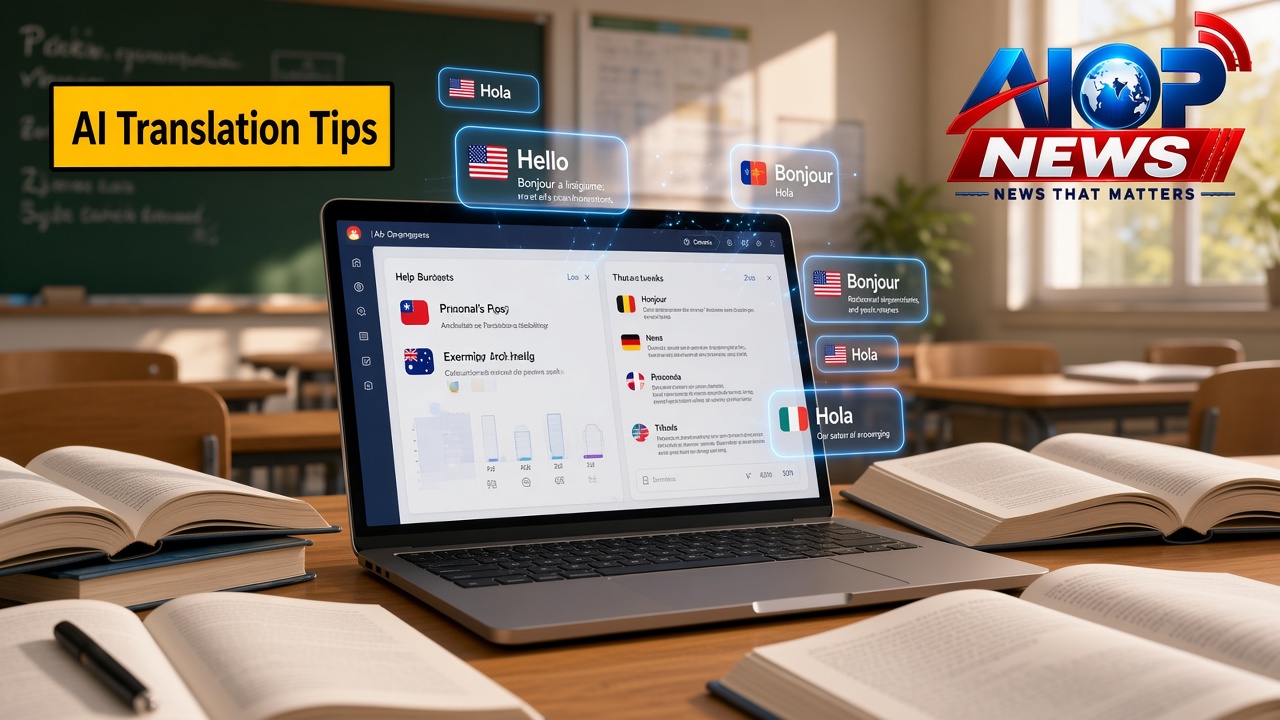
According to recent insights highlighted in EdWeek, mastering a new language requires essential, active effort. While automated translation and generation tools are increasingly accessible, relying on them too much can bypass the critical mental processes required for true language acquisition.
Why Productive Struggle Matters for English Learners
Language acquisition is not a passive process of receiving information; it requires active engagement, trial, error, and critical thinking. Educators in the Education sector understand that students need productive struggle to fully grasp the nuances of a new language. When learners grapple with vocabulary, grammar structures, and syntax on their own, they build long-term retention and linguistic confidence.
However, the instant gratification provided by advanced digital tools can short-circuit this vital struggle. If an AI tool instantly writes, translates, or corrects every sentence without requiring the student to analyze the underlying rules, the learner misses out on foundational skill-building opportunities.
Where AI Fits In (and Where It Doesn't)
Finding the right pedagogical approach means identifying specific boundaries for technology use. AI can be an effective asset when used to scaffold instruction, provide personalized practice prompts, or offer low-stakes conversational practice. These applications can reduce anxiety and increase exposure to the target language.
Conversely, AI does not belong in spaces where it replaces the core cognitive work of the student. Tools that generate complete written assignments or instantly eliminate the need for vocabulary recall do more harm than good. To prevent cognitive offloading, teachers must carefully evaluate their tech stack to ensure the human student remains the one doing the heavy lifting.
Conclusion
Ultimately, artificial intelligence should serve as a bridge to learning, not a bypass around it. By prioritizing productive struggle and setting thoughtful boundaries, educators can harness the benefits of modern technology while safeguarding the deep cognitive processes that English learners need to succeed.